 SJ Medical
SJ Medical
SJ Medical
In today's healthcare landscape, safety and reliability are paramount. Personal Protective Equipment (PPE) plays a crucial role in protecting healthcare workers and patients alike. Many facilities strive for high standards in sterilizing these essential items. But what are the gold standards for PPE sterilization?
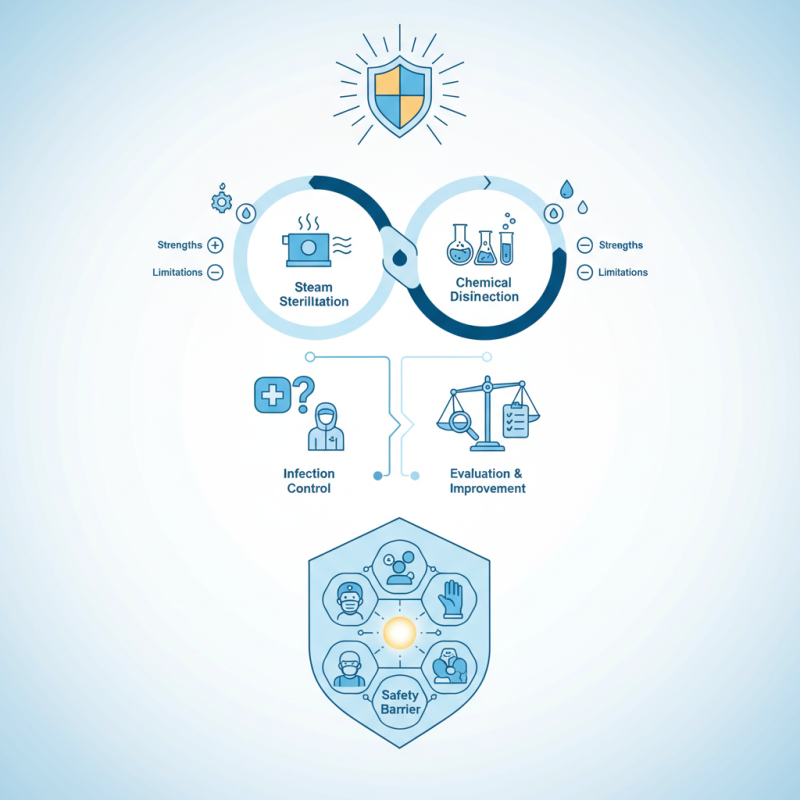
Understanding these standards is vital for infection control. Various methods exist, including steam sterilization and chemical disinfection. Each technique has its strengths and limitations, affecting overall efficacy. Facilities need to choose approaches based on specific needs and situational demands.
However, not all practices meet the rigorous criteria expected in modern healthcare. Some methods may lack the reliability needed for optimal safety. Healthcare leaders should critically assess their protocols. Continuous evaluation and improvement of sterilization methods are essential for maintaining safety standards. The responsibility lies with all involved to ensure that PPE remains a safe barrier against infection.
PPE sterilization techniques in China are crucial for ensuring the safety of healthcare workers. Various methods are used to sterilize personal protective equipment. These include steam sterilization, ethylene oxide, and hydrogen peroxide plasma. Each method has its advantages and challenges, making it essential to choose the right one for specific PPE types.
While steam sterilization is widely accepted, it may not be suitable for all materials. Some fabrics can degrade under high temperatures. Ethylene oxide offers effective sterilization but requires lengthy aeration time to remove toxic residues. Hydrogen peroxide plasma is a promising option. However, its application to all types of PPE remains under research.
Despite advancements, there are still gaps in standardization across facilities. Many clinics question the reliability of their chosen methods. Insufficient training can lead to improper sterilization, posing significant risks. Continuous evaluation and adaptation of techniques are vital for improving safety standards in PPE handling.
| Sterilization Technique | Description | Advantages | Disadvantages | Common Applications |
|---|---|---|---|---|
| Autoclaving | Uses steam under pressure to sterilize. | Highly effective against all microorganisms. | Not suitable for heat-sensitive materials. | Surgical instruments, textiles. |
| Ethanol Sterilization | Uses 70% ethanol for surface disinfection. | Rapidly kills a wide range of pathogens. | Limited effectiveness against some viruses. | Small equipment, hand sanitizers. |
| Hydrogen Peroxide Vapor | Uses vaporized hydrogen peroxide for sterilization. | Effective at low concentrations and non-toxic residues. | Requires specialized equipment. | Insulated equipment, worry-free devices. |
| Gamma Radiation | Irradiation using gamma rays to kill microorganisms. | Very effective for heat-sensitive materials. | High cost and regulatory issues. | Single-use items, medical supplies. |
| Ethylene Oxide | Gas sterilization using ethylene oxide at low temperatures. | Good for complex instruments; penetrates packaging. | Toxic and lengthy aeration requirements. | Plastic devices, delicate instruments. |
| Plasma Sterilization | Uses low-temperature hydrogen peroxide plasma. | Fast and effective on moisture-sensitive items. | Limited to specific materials. | Heat-sensitive instruments, electrical devices. |
| Chemical Disinfectants | Use of chemical agents for surface disinfection. | Simple methodology; widely available. | Chemical residues can be harmful. | Surfaces, non-critical items. |
| Dry Heat Sterilization | Uses high temperatures for sterilization. | Effective against dry microorganisms and spores. | Longer processing times. | Glassware, metal instruments. |
| Ozone Sterilization | Utilizes ozone gas for disinfection. | Powerful oxidizing agent; leaves no residues. | Equipment costs can be high. | Air and water purification. |
| Ultraviolet Light | Uses UV light to destroy microorganisms. | Quick and effective for surface sterilization. | Limited penetration; may require repeated exposure. | Water sterilization, surface disinfection. |
: Common methods include steam sterilization, ethylene oxide, and hydrogen peroxide plasma. Each has its pros and cons.
Some fabrics may degrade under high temperatures, limiting steam sterilization's effectiveness for certain PPE.
Ethylene oxide requires long aeration times to eliminate toxic residues, making the process time-consuming.
Its application for all types of PPE is still under research; more studies are needed.
Gaps in standardization and insufficient training can lead to doubts about methods used in clinics.
Inadequate training may result in improper sterilization, increasing contamination risks in healthcare settings.
Regulatory standards ensure that sterilization methods are safe and effective, requiring rigorous testing and validation.
Inconsistent practices and training deficits prevent many facilities from achieving required compliance.
While innovations enhance safety, they must also meet strict regulatory standards to be viable.
Continuous assessment helps improve safety and compliance, ensuring better protection for healthcare workers.
In the context of healthcare safety, the sterilization of personal protective equipment (PPE) is crucial. The article "China Top 10 Gold Standards for PPE Sterilization Techniques" examines the various sterilization techniques employed in China, emphasizing their importance in maintaining hygiene and preventing infections. It explores what are the gold standards for PPE sterilization, highlighting methods such as steam sterilization, ethylene oxide, and hydrogen peroxide plasma, among others.
Furthermore, regulatory standards and compliance measures are discussed to ensure that sterilization practices meet health and safety requirements. The future trends in PPE sterilization technologies in China suggest a movement towards more efficient and environmentally friendly methods, indicating a commitment to advancing healthcare practices. This comprehensive overview not only informs about the current standards but also sheds light on the evolving landscape of PPE sterilization in the country.
