SJ Medical
Carotid artery stenting is a procedure used to treat carotid artery disease. It helps to restore blood flow and reduce stroke risks. However, certain factors can affect its efficacy and safety. Understanding "what are the contraindications for carotid artery stenting" is crucial for effective treatment planning.
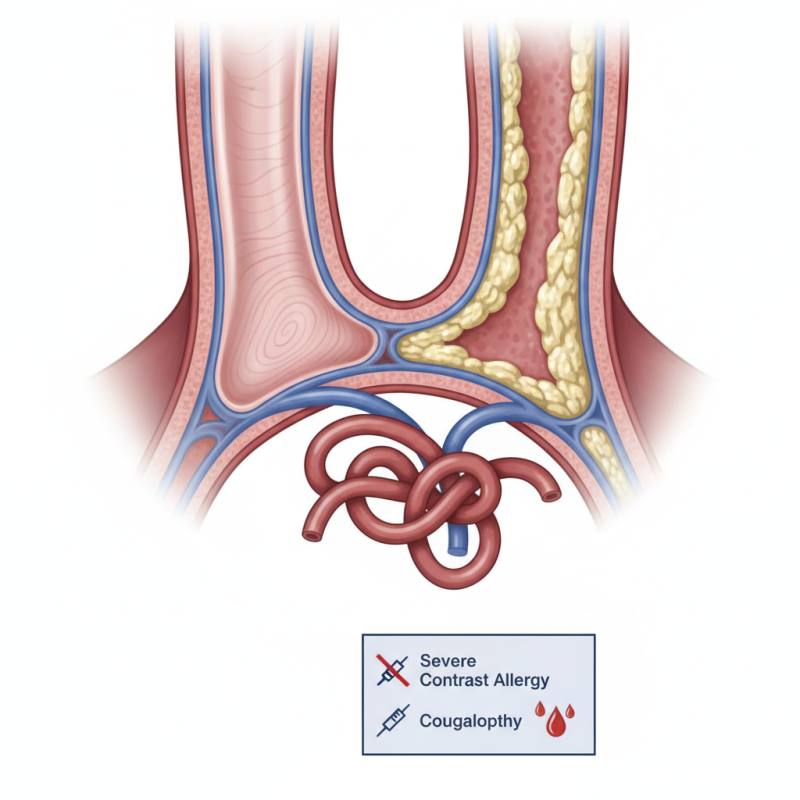
Several medical conditions can disqualify patients from this procedure. For instance, patients with severe allergies to contrast media might face heightened risks. Additionally, existing coagulopathies could complicate the stenting process. It's vital to evaluate the patient's overall health and medical history before proceeding.
Moreover, specific anatomical considerations, such as severe calcification or tortuosity of the carotid artery, may render stenting ineffective. In such cases, alternative treatments would demand attention. Engaging in thorough discussions with healthcare providers can provide clarity. This helps patients understand their unique situations and the inherent risks involved.
Carotid artery stenting (CAS) is a well-recognized procedure for patients with carotid artery disease. This intervention aims to prevent strokes by addressing significant narrowing in the carotid arteries. Optimal candidates often have symptoms like transient ischemic attacks or minor strokes. However, the decision to perform CAS involves careful evaluation of patient-specific factors. Candidates should ideally have a high-risk profile but may benefit from stenting.
Some indications include severe stenosis of 70% or more, especially if patients are not suitable for surgical options like carotid endarterectomy. Patients with recurrent symptoms despite medical therapy may also qualify. Key assessments include the patient’s overall health status, the nature of carotid lesions, and the presence of comorbid conditions. Each case requires a tailored approach.
However, not every patient is suitable for this procedure. There are risks with any intervention. Patients with significant contralateral carotid artery occlusion or major vascular abnormalities may face complications. Additionally, those with severe cardiac or pulmonary conditions might not endure the procedure. A thorough discussion about potential risks and benefits is essential, underscoring the importance of a multidisciplinary team in deciding the best treatment plan for patients.
Carotid artery disease occurs when the arteries supplying blood to the brain become narrowed or blocked. This can lead to serious complications like strokes. Patients with high blood pressure, diabetes, or those who smoke are at increased risk. Understanding the disease is vital for prevention and treatment.
Carotid artery stenting is a procedure that can help some patients. However, it’s not suitable for everyone. Certain contraindications exist, such as recent strokes or severe allergies to contrast agents. Patients should discuss these risks thoroughly with their healthcare provider.
Tips: Regular check-ups are essential to monitor risk factors. Maintaining a healthy diet can significantly reduce the chances of developing carotid artery disease. Always ask questions to clarify doubts. This proactive approach can help patients make informed decisions about their health and treatment options.
Carotid artery stenting is a minimally invasive procedure aimed at treating carotid artery stenosis. However, it is essential to recognize some contraindications to ensure patient safety. One significant contraindication is the presence of severe, untreated high blood pressure. Research indicates that managing hypertension is critical, as approximately 70% of patients with carotid artery disease have this condition.
Another contraindication involves significant plaque characteristics. For instance, patients with heavily calcified plaques may experience complications during stenting. Studies suggest that these patients face higher risks of post-procedural events. Those with a history of severe cerebrovascular accidents may also not be suitable candidates.
Additionally, anatomical variations can prevent effective stenting. For example, patients with tortuous carotid arteries may suffer from inadequate access. The risk of complications increases, impacting procedural success. It's crucial for healthcare providers to conduct thorough assessments, considering all aspects of a patient's health before proceeding with carotid artery stenting.
When considering carotid artery stenting, various patient-specific factors come into play. The patient's overall health is crucial. Conditions like diabetes, hypertension, or significant heart disease can complicate the procedure. These factors may increase the risk of complications during stenting. A comprehensive assessment helps identify potential pitfalls.
Age is another key consideration. Older patients might have more rigid arteries. Increased risk of stroke or procedural complications is evident in this group. On the other hand, younger patients may present unique challenges. Sometimes, their medical history or lifestyle choices can affect stenting eligibility.
Anatomical factors also play a role. Variations in carotid artery anatomy can impact stenting success. Tortuosity or severe calcification can lead to difficulties. In some cases, imaging studies may reveal issues not initially apparent. Reflection on these aspects prompts careful planning. It ensures that each patient receives tailored care.
Carotid artery stenting (CAS) is a minimally invasive procedure to treat carotid artery disease. However, certain patients cannot undergo this treatment due to specific contraindications. Alternatives exist for these patients, providing essential options in managing their condition effectively.
Patients who are high-risk for procedure-related complications might explore alternatives such as medical management. This often includes lifestyle modifications and medication to reduce cardiovascular risks. A study published by the American Heart Association reported that over 70% of patients with carotid artery disease saw improvements with a rigorous medication regimen alone. Additionally, supervised exercise programs can enhance overall vascular health.
Surgical options may also be appropriate. Endarterectomy, for instance, is an invasive alternative with proven efficacy. According to a 2021 study in "Stroke," carotid endarterectomy is recommended for patients with significant stenosis and higher surgical risk. It offers a solid pathway to reduce stroke risk in suitably selected patients. However, the complexity of each case means careful consideration is necessary to determine the best course of action. Discrepancies in patient response can highlight areas for improvement, showing that not every approach suits every individual.
S) used for?
Candidates often have symptoms like transient ischemic attacks or minor strokes.
Severe stenosis of 70% or more often qualifies, especially if surgery isn't an option.
Yes, risks exist, including complications from contralateral occlusion or major vascular issues.
No, not every patient is suitable due to various risks and health conditions.
They assess risks and benefits, ensuring the best treatment plan for the patient.
Regular check-ups and maintaining a healthy diet significantly help in prevention.
Patients should discuss potential risks and contraindications thoroughly with their healthcare provider.
Overall health status, type of carotid lesions, and existing comorbid conditions impact the decision.
It helps in making informed decisions about prevention and treatment options.
Carotid artery stenting is a minimally invasive procedure aimed at treating carotid artery disease, but it is not suitable for every patient. Understanding "what are the contraindications for carotid artery stenting" is crucial for determining eligibility. Common contraindications include severe allergies to contrast agents, significant vascular disease in other regions, and certain anatomical abnormalities that may complicate the procedure. Additionally, patient-specific factors such as age, overall health, and comorbid conditions can further affect eligibility for stenting.
For patients with contraindications, alternative treatments are available, including lifestyle modifications, medications, and surgical interventions like carotid endarterectomy. A thorough evaluation by healthcare professionals is essential to ensure the best possible outcomes for patients at risk of carotid artery disease.
