How Diabetes Affects the Success of Vascular Interventions?

Time:2026-06-16 Author:Amelia
0%

Diabetes is a growing health concern worldwide. It influences many aspects of an individual's well-being. Among these, how does diabetes impact the success of vascular interventions is a critical question. Vascular interventions aim to improve blood flow and reduce complications from blockages. However, diabetes can complicate these procedures significantly.

Elevated blood sugar levels affect healing. They can lead to poor blood circulation and increased infection risk. For patients with diabetes, vascular interventions often have varied outcomes. Studies suggest that diabetic patients face longer recovery times. Their complications may arise more frequently. With tight glucose control, some of these risks can be minimized. Yet, comprehensive management remains a challenge.

Healthcare professionals must understand these dynamics. They need to adapt their approaches in treating patients with diabetes. The impact of diabetes on procedural success is not fully understood. Ongoing research is essential to clarify these relationships. Understanding the intricacies of diabetes is vital for developing effective vascular intervention strategies. This awareness can guide better patient outcomes and improve overall vascular health.
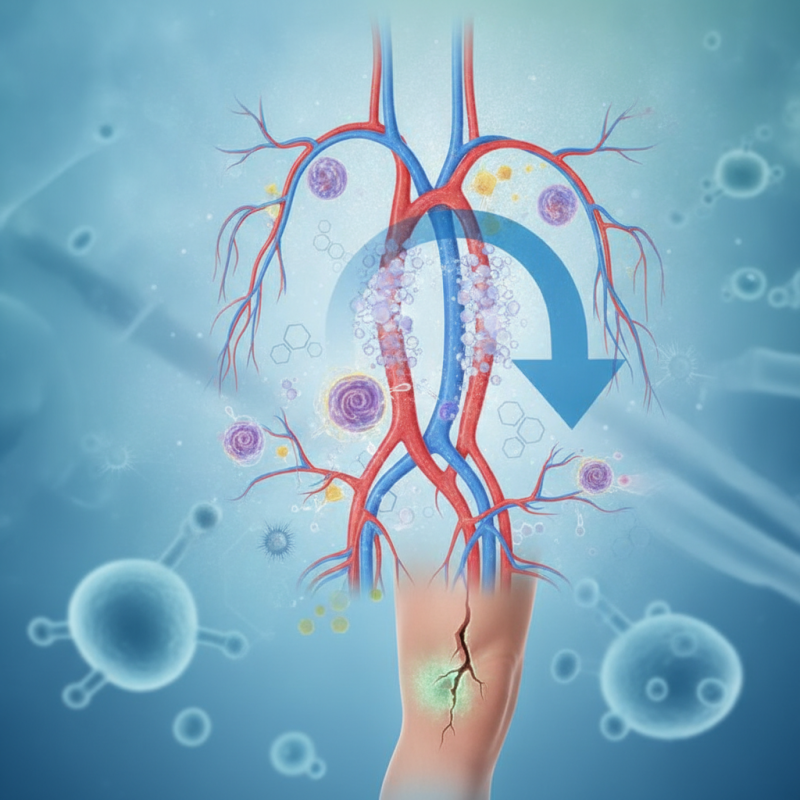
How Diabetes Affects the Success of Vascular Interventions?

Impact of Diabetes on Vascular Health and Function

Diabetes significantly impacts vascular health and function. Studies show that individuals with diabetes have a two to four times higher risk of developing cardiovascular diseases. This increased risk can lead to complications during vascular interventions, as diabetes often causes endothelial dysfunction. According to a report by the American Diabetes Association, nearly 68% of adults with diabetes die from heart disease or stroke.


Diabetic patients also experience impaired healing. This delay can complicate recovery time after surgical procedures. High blood glucose affects platelet function and increases inflammation. These factors make successful vascular interventions more challenging. A study in "Diabetes Care" noted that diabetic patients often present higher rates of stent thrombosis compared to non-diabetic individuals.


Tip: Regularly monitor blood glucose levels. This helps in managing overall health and can improve outcomes of vascular procedures.


Patients with diabetes should also maintain a balanced diet and engage in regular physical activity. This can help manage weight and improve vascular health. Lack of attention to these factors can lead to regrettable outcomes. Ultimately, understanding the relationship between diabetes and vascular health is essential for better treatment strategies.

Pathophysiological Mechanisms Linking Diabetes to Vascular Interventions

Diabetes significantly impacts the success rates of vascular interventions. The pathophysiological mechanisms underlying this effect are complex. High blood sugar levels can lead to vascular damage over time. This damage can reduce the effectiveness of interventions, such as angioplasty or stent insertion.

Chronic hyperglycemia promotes inflammation and oxidative stress. These conditions accelerate the development of atherosclerosis, narrowing blood vessels. As a result, the success of vascular interventions may be severely compromised. Furthermore, diabetes can lead to impaired wound healing, complicating recovery after procedures. Patients often experience longer hospital stays, rising healthcare costs, and the risk of complications.

Individual variability plays a role in treatment outcomes. Not all diabetic patients react similarly to vascular interventions. Some do well, while others face significant challenges. This inconsistency highlights the need for personalized treatment plans. Ongoing research is crucial to better understand these mechanisms and improve intervention outcomes for diabetic patients.

Influence of Diabetes on Surgical Outcomes and Recovery Rates

Diabetes can significantly impact surgical outcomes. Patients with diabetes often experience slower healing times and higher risks of complications. These factors can jeopardize the success of vascular interventions. For instance, infection rates are notably higher among diabetic patients. This makes post-surgery care vital, as proper monitoring can prevent serious issues.

Recovery rates are also affected by diabetes. Blood sugar control plays a crucial role. Uncontrolled levels can lead to poor wound healing and increased inflammation. Patients might find that their bodies respond slower to procedures. Hence, pre-operative education is essential. Doctors emphasize the importance of managing blood sugar before and after surgery.

This is not just a medical statistic; it’s a real challenge for many patients. They often face increased anxiety regarding their recovery. The healthcare team must address these concerns. This involves creating personalized care plans. Collaboration between patients and healthcare providers can lead to better outcomes.

Strategies to Optimize Vascular Intervention Success in Diabetic Patients

Diabetes significantly complicates vascular interventions. Elevated blood glucose levels can impair wound healing and increase infection risks. Patients with diabetes often experience poor circulation, which further complicates recovery. Thus, tailored strategies are crucial to enhance outcomes.

One effective approach is careful pre-operative planning. Thorough assessments of a patient's diabetes management can help. If blood glucose levels are stable, the risk of complications decreases. Involving a multidisciplinary team also plays a vital role. Specialists can offer insights into optimizing patient health before the procedure. Regular monitoring of blood sugar during the post-operative period is also essential.

Rehabilitation must be personalized. Encouraging lifestyle modifications, such as diet changes and exercise, assists in recovery. Yet, not every patient will adhere to these recommendations. Some may face barriers like lack of motivation or understanding. Addressing these issues requires patience and ongoing support. This approach not only aims to improve the success of vascular interventions but also enhances overall health for diabetic patients.

Future Directions in Research on Diabetes and Vascular Procedures

Diabetes significantly impacts vascular interventions. Those with diabetes often face complications that can affect their outcomes. Researchers are now focusing on the intricate relationship between diabetes and vascular procedures. Understanding this link is crucial for improving patient care.

Current studies suggest exploring innovative treatment approaches. Personalized medicine could be key. Tailoring interventions to each patient's specific diabetic condition may lead to better results. Yet, many challenges remain. The variability in diabetic patients complicates standard protocols. Not all diabetes cases are the same; each patient shows different responses to treatments.

As we move forward, collaboration is essential. Medical professionals, researchers, and patients must share insights. More controlled trials are needed to evaluate new methodologies. Innovative technologies, such as continuous glucose monitoring, may provide useful data. However, we must remain cautious. The road ahead is filled with uncertainties. Solutions will require time and dedication to develop.

How Diabetes Affects the Success of Vascular Interventions

This chart illustrates the success rates of vascular interventions based on the presence and type of diabetes. It shows a significant decrease in success rates among patients with Type 1 and Type 2 diabetes compared to those without diabetes. This highlights the need for further research and targeted strategies to improve outcomes for diabetic patients undergoing vascular procedures.

FAQS

: How does diabetes affect vascular interventions?

: Diabetes reduces the success rates of interventions. High blood sugar causes vascular damage over time.

What role does chronic hyperglycemia play?

Chronic hyperglycemia promotes inflammation and oxidative stress. This accelerates atherosclerosis, narrowing blood vessels.

What complications do diabetic patients face after procedures?

Diabetic patients often have impaired wound healing. This complicates recovery and can lead to longer hospital stays.

Are all diabetic patients affected equally by vascular procedures?

No, individual variability exists among diabetic patients. Some respond well, while others may face significant challenges.

Why is personalized treatment important?

Personalized treatment plans can lead to better outcomes. Each diabetic patient may react differently to interventions.

What areas require further research?

Ongoing research is needed to understand diabetes and vascular interventions better. There are still challenges in treatment variability.

How can new technologies help diabetic patients?

Technologies, like continuous glucose monitoring, provide useful data. They may help tailor treatments more effectively.

What challenges are involved in standardizing treatment protocols?

The variability among diabetic patients complicates standard protocols. Not all cases are alike, leading to inconsistent outcomes.

What should be the focus for future research?

Future research should focus on innovative treatment approaches. Collaboration among professionals, researchers, and patients is crucial.

What is the outlook for improving diabetic patient care?

The road ahead is uncertain. Solutions will require time, dedication, and ongoing evaluation of new methodologies.

Conclusion

The article titled "How Diabetes Affects the Success of Vascular Interventions" explores the significant impact of diabetes on vascular health and the various complications associated with it. It delves into the pathophysiological mechanisms that link diabetes to adverse outcomes in vascular procedures, highlighting how does diabetes impact the success of vascular interventions by exacerbating issues such as endothelial dysfunction and impaired wound healing.

Moreover, the article examines the influence of diabetes on surgical outcomes and recovery rates, revealing that diabetic patients often face higher risks of complications and prolonged recovery times. To address these challenges, the article suggests strategies to optimize vascular intervention success in diabetic patients, including careful preoperative assessments and postoperative management. Finally, it emphasizes the need for future research to further understand diabetes's effects on vascular procedures, ensuring improved clinical outcomes for this patient population.

Amelia

Amelia

Amelia is a seasoned marketing professional with a wealth of expertise in our company’s core offerings. With an unwavering passion for driving growth and innovation, she plays a pivotal role in shaping our marketing strategies and enhancing brand visibility. A key aspect of her responsibilities......