Why is Drug Coated Balloon the Best Choice for Femoral Artery?

Time:2026-05-01 Author:Amelia
0%

The femoral artery is crucial for lower limb blood flow. Treating femoral artery disease effectively is paramount for patient health and mobility. One innovative solution stands out: the drug-coated balloon (DCB).

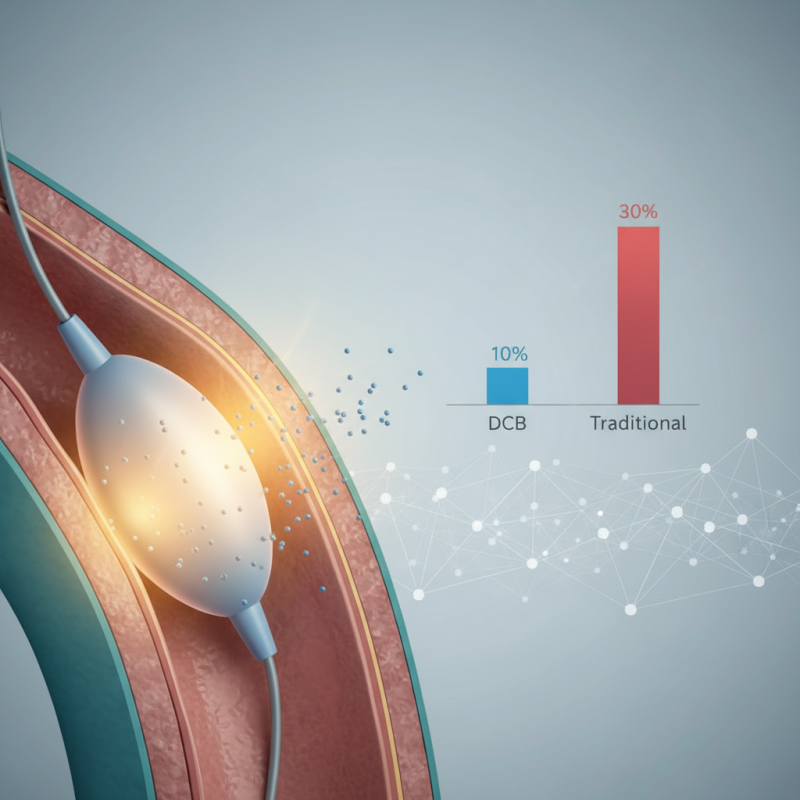
Why is drug-coated balloon preferred for femoral artery disease? A study from the Journal of Endovascular Therapy indicates that DCBs reduce restenosis rates significantly compared to traditional interventions. In fact, clinical trials show restenosis rates drop to as low as 10% with DCB usage. This is a stark contrast to conventional balloons, which often exceed 30%.

Additionally, DCBs release medications directly to the arterial wall. This targeted approach minimizes injury and promotes healing. However, it's important to note that not every patient experiences the same benefits. Some may still face complications. Continued research is essential to address these variances. Overall, the advantages of DCBs position them as a leading choice in managing femoral artery disease effectively.
Why is Drug Coated Balloon the Best Choice for Femoral Artery?

Understanding Drug Coated Balloons: Definition and Mechanism of Action

Drug coated balloons (DCBs) are revolutionizing treatments for femoral artery diseases. These innovative devices deliver localized drug therapy directly to the arterial walls. This targeted approach helps in reducing restenosis, a common post-surgery complication.

The mechanism of action behind drug coated balloons is fascinating. They release antiproliferative drugs that prevent smooth muscle cell proliferation. The balloon is inflated within the artery, allowing the drug to penetrate the vessel lining. This reduces the risk of blockages that often occur after conventional angioplasty. Visualization of this process underscores its significance; the balloon expands, adhering the drug to the artery's inner surface.

Despite their benefits, the use of DCBs isn't without challenges. The optimal timing for balloon inflation and drug release is still under investigation. There are concerns regarding long-term outcomes compared to other treatments. Research continues to evolve, emphasizing the importance of clinical expertise to maximize patient benefits. Balancing efficacy with safety remains crucial as we explore the future of this technology in vascular care.

Clinical Advantages of Drug Coated Balloons in Treating Femoral Artery Disease

Drug-coated balloons (DCBs) are gaining attention in treating femoral artery disease. They combine balloon angioplasty with localized drug delivery. This method reduces the risk of restenosis, which is a common problem after traditional treatments.

A key clinical advantage is the precision of drug delivery. The medication is released directly to the arterial wall, minimizing systemic side effects. Studies show a significant reduction in complications compared to standard procedures. Patients often experience better outcomes and faster recovery times. Yet, not all patients respond equally to this approach. Individual factors, such as the severity of the disease, can influence effectiveness.

Recovery can vary significantly from person to person. Some may have lingering complications or unexpected side effects. Understanding these nuances is essential for both patients and clinicians. Proper patient selection is critical to ensure optimal results. Continued research will help refine this technology and address current limitations. Embracing innovation while recognizing its challenges can lead to improved patient care.

Comparative Efficacy: Drug Coated Balloons vs. Traditional Angioplasty

Drug-coated balloons (DCBs) offer a compelling alternative to traditional angioplasty for treating femoral artery disease. This approach merges a mechanical capability with pharmacological benefits. DCBs deliver medication directly to the artery walls. This targeted therapy reduces the risk of restenosis. Traditional balloon angioplasty, while effective, doesn’t have this added benefit of localized drug release.

Beyond the mechanics, clinical studies highlight the advantages of DCBs. Research shows they can achieve higher rates of primary patency. This means less likelihood of the artery narrowing again after treatment. Patients often notice improved outcomes, such as enhanced mobility and reduced pain. These advancements mark a significant step in vascular intervention.

**Tips:** When considering treatment options, discuss the latest advancements with your healthcare provider. Stay informed about your choices. Understanding your specific condition helps in making better decisions. Always weigh the benefits and risks of any medical procedure. Keep in mind that each case is unique, and what works best varies among individuals.

Patient Outcomes: Long-term Benefits of Drug Coated Balloons in Clinical Trials

Drug-coated balloons (DCBs) have shown promising results in improving patient outcomes for those suffering from femoral artery diseases. Clinical trials indicate that these devices can lead to better long-term vessel patency compared to traditional treatments. The drug coating releases medication that helps prevent restenosis, allowing for sustained blood flow and reduced complications over time. Patients frequently report improved mobility and quality of life after procedures involving DCBs.

In choosing DCBs, patients should consider their unique conditions and treatment goals. Consultation with vascular specialists is crucial. Ask about your specific risks and the expected recovery timeline. Understanding the factors involved helps set realistic expectations. Remember that each patient’s response can be different, and not everyone will have the same outcomes.

Many DCB-related studies show significant benefits, but some results could be overstated. Always seek updated data and professional advice before making treatment decisions. Reflect on the information and weigh the pros and cons thoroughly. Making informed choices is essential for the best possible results in femoral artery treatments.

Future Perspectives: Innovations and Trends in Drug Coated Balloon Technology

Innovations in drug coated balloon technology have revolutionized the treatment of peripheral artery disease, especially in the femoral artery. These balloons deliver medication directly to the arterial wall, preventing restenosis. The precision in drug delivery is a significant advancement. It minimizes the risk of systemic side effects compared to traditional treatments. By targeting the affected area, patients experience improved outcomes and reduced complications.

Future perspectives in this field indicate promising directions. Researchers are exploring new drug combinations and enhanced balloon materials to improve efficacy. The aim is to tailor the treatment more precisely to individual patients. Innovations in imaging technology could also aid in the proper placement of these devices. However, challenges remain. The need for long-term studies is crucial to fully understand the benefits and risks associated with these newer technologies.

As drug coated balloons become more common, healthcare professionals must stay updated on latest advancements. Collaboration between researchers and clinicians is essential. This will ensure that best practices evolve with technology, improving patient care. Yet, questions linger about cost-effectiveness and accessibility. As with any innovation, careful reflection on outcomes is necessary. Balancing benefits with practical implications will shape the future of this treatment option.

Drug Coated Balloon Efficacy in Treating Femoral Artery Disease

This chart illustrates the improvement in patency rates for patients with femoral artery disease treated with drug coated balloons over a 12-month period. The data indicates a significant increase in patency rates at each follow-up interval, demonstrating the effectiveness of this technology.

FAQS

: What are drug-coated balloons (DCBs)?

: DCBs combine balloon angioplasty with drug delivery, targeting arterial walls for better treatment outcomes.

How do DCBs reduce complications?

They deliver medication directly to the artery, minimizing systemic side effects and the risk of restenosis.

What makes DCBs more effective than traditional angioplasty?

DCBs achieve higher rates of primary patency, reducing the chance of artery narrowing post-treatment.

Can all patients expect the same results from DCBs?

No, individual factors like disease severity influence treatment effectiveness, leading to varied outcomes.

What should patients discuss with their healthcare provider?

Patients should talk about the latest treatment advancements and weigh the benefits and risks of procedures.

What innovations are expected in DCB technology?

Researchers are exploring new drug combinations and materials to enhance effectiveness and tailor treatments.

Why is it important to understand individual conditions?

Each case is unique; understanding helps patients make informed decisions about their treatment options.

What challenges remain in DCB technology?

Long-term studies are needed to fully assess benefits and risks, along with considerations for cost and accessibility.

How can imaging technology help in DCB treatment?

Improved imaging could aid in better placement of balloons, enhancing treatment precision and outcomes.

What reflection is needed as DCBs become more common?

Ongoing evaluation of outcomes is essential to balance benefits with practical implications for patient care.

Conclusion

The article titled "Why is Drug Coated Balloon the Best Choice for Femoral Artery?" explores the unique advantages of drug-coated balloons in treating femoral artery disease. Drug-coated balloons are designed to deliver therapeutic agents directly to the arterial wall, significantly reducing restenosis rates compared to traditional angioplasty. Their mechanism of action involves localized drug release that targets the underlying issues causing vascular blockages, making them a superior choice for patients.

Clinical trials have demonstrated that drug-coated balloons not only improve short-term patient outcomes but also provide long-term benefits, enhancing overall vascular health. The comparison of drug-coated balloons to conventional methods highlights their greater efficacy in reducing complications and improving patient satisfaction. With ongoing innovations in this technology, the future looks promising for the treatment of femoral artery disease, reinforcing why drug-coated balloon is preferred for femoral artery disease.

Amelia

Amelia

Amelia is a seasoned marketing professional with a wealth of expertise in our company’s core offerings. With an unwavering passion for driving growth and innovation, she plays a pivotal role in shaping our marketing strategies and enhancing brand visibility. A key aspect of her responsibilities......