SJ Medical
Peripheral artery disease (PAD) is more than a circulation problem. It can signal widespread atherosclerosis and higher cardiovascular risk. The CDC reports that approximately 6.5 million U.S. adults aged 40 or older live with PAD. The American Heart Association’s 2024 Statistical Update also identifies PAD as a major, frequently overlooked vascular disease.
So, what are the early warning signs of peripheral artery disease? They may appear during an ordinary walk, while climbing stairs, or even when resting. Calf pain that improves after stopping, one foot feeling colder, slow-growing toenails, shiny leg skin, and weak pulses deserve medical attention. A sore on the toe that heals slowly matters too. Sometimes, there are no obvious symptoms.
Vascular specialist Dr. Joshua A. Beckman has described PAD as “common, yet underdiagnosed and undertreated,” highlighting a serious gap between risk and recognition. This guide explores ten early warning signs and explains why each one may matter clinically. It also distinguishes possible warning signs from confirmed disease. A symptom alone cannot establish a diagnosis. An ankle-brachial index test, medical history, and physical examination may be necessary.
One detail is easy to miss. Leg discomfort is often blamed on aging, arthritis, or tired muscles. That assumption can delay care. The evidence is strong, but not every case follows a textbook pattern. Persistent changes, especially with diabetes, smoking history, high blood pressure, or elevated cholesterol, should prompt a qualified healthcare professional’s evaluation.
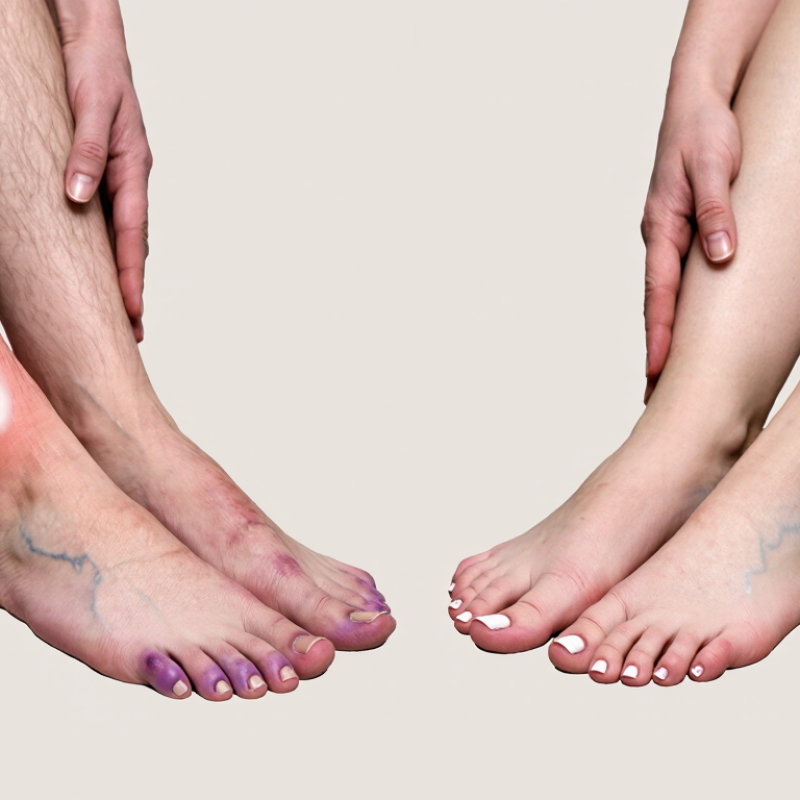
Peripheral artery disease (PAD) develops when narrowed arteries reduce blood flow to the legs. Plaque buildup is a common cause. Early symptoms may seem ordinary, especially after a busy day. The most recognized sign is aching or cramping in the calf, thigh, or buttock during walking, which improves after resting. Other warning signs include leg weakness, numbness, cold feet, pale or bluish skin, slow-growing toenails, hair loss on the legs, shiny skin, weak foot pulses, and sores that heal slowly. Some people have no clear symptoms.
Do not dismiss repeated leg pain as “just aging.” That assumption can delay care. A healthcare professional may check circulation, compare pulses, and measure the ankle-brachial index. Smoking, diabetes, high blood pressure, high cholesterol, and a history of heart disease increase risk. Sudden severe pain, a very cold limb, or rapidly changing skin color needs urgent medical attention.
Notice patterns. Record when pain starts, where it appears, and how long it lasts. Check your feet for blisters, cracks, or color changes, especially if you have diabetes. Avoid starting intense exercise without medical guidance. Gentle, supervised walking may help some people, but treatment must match the cause. Even clinicians can miss early PAD when symptoms are vague, so persistent changes deserve a proper evaluation.
Top 10 Early Warning Signs of Peripheral Artery Disease
The First Five Warning Signs in the Legs and Feet
Peripheral artery disease, or PAD, can reduce blood flow to the legs and feet. The first sign is often aching or cramping in the calf, thigh, or buttock while walking. It usually improves after resting for a few minutes. This pattern is called intermittent claudication.
Other early clues may appear quietly. One foot may feel colder than the other. Numbness, tingling, or unusual weakness can make stairs or longer walks harder. The skin may look pale, bluish, or shiny. Toenails can grow slowly, and small cuts may heal poorly. These are five important signs, but they are not unique to PAD. Nerve problems, joint disease, and other conditions can look similar. The pattern matters, although it is not always neat.
Tips: Compare both feet in good light. Notice pain distance, skin color, temperature, and healing changes. Do not ignore a sore that remains open, darkens, or becomes painful. A healthcare professional can check circulation with an ankle-brachial index test and other examinations. Sudden severe pain, extreme coldness, marked paleness, or new weakness needs urgent medical attention. It is easy to dismiss tired legs as aging; that assumption can delay useful care.
Reduced blood flow can appear in quiet, easily missed ways. The 2024 ACC/AHA Peripheral Artery Disease Guideline identifies coldness, numbness, skin color changes, slow-healing wounds, and reduced pulses as important warning signs. One foot may feel noticeably cooler than the other. Toes can look pale, bluish, or unusually red after dangling the leg. A small blister may remain open for weeks. These details matter.
The American Heart Association reports that peripheral artery disease affects about 8.5 million adults over age 40 in the United States. Many people have no classic calf cramping. Instead, they notice leg weakness, heaviness, or tiredness during ordinary walking. Numbness may feel like pins and needles. Foot hair may thin, and toenails may grow slowly. In men, reduced pelvic blood flow can also contribute to erectile difficulties. Not every symptom proves PAD. Diabetes, nerve disorders, and spinal disease can look similar.
A practical check is to compare both legs after walking and while resting. Note temperature, color, sensation, and wound changes. Do not rely only on pain. I once considered cold feet harmless, but persistent asymmetry deserves attention. The Society for Vascular Surgery recommends clinical assessment and ankle-brachial index testing when PAD is suspected.
Sudden severe pain, a pale cold limb, or new weakness requires urgent medical care.
Peripheral artery disease often develops quietly. The 2021 Lancet global analysis estimated that over 236 million adults had PAD in 2015. Early changes may include calf, thigh, or buttock cramping during walking. Rest usually eases the discomfort. Walking distance may gradually shorten. The other early warning signs include leg fatigue, numbness, cold feet, and a weaker pulse.
Over time, symptoms can become more visible. Skin may look pale, bluish, shiny, or unusually smooth. Hair growth on the lower leg may decrease. A foot may feel colder than the other. Small cuts can heal slowly, especially around the toes. In advanced disease, burning or aching may appear during rest, often at night.
A nonhealing ulcer, blackened tissue, or sudden severe pain requires urgent medical assessment.
Progression is not always predictable. Some people have extensive artery narrowing with few symptoms, while others notice pain early. Diabetes-related nerve damage may blunt classic walking pain, which makes self-assessment unreliable. The 2024 ACC/AHA guideline reports PAD prevalence near 10% in adults over 65 and about 20% in adults over 80. That figure is easy to overlook. A vascular examination, ankle-brachial index, and medical history can clarify whether symptoms reflect PAD or something less serious.
Peripheral artery disease (PAD) can begin quietly. Leg pain during walking that eases after a few minutes of rest is a classic warning sign. Other clues include one colder foot, shiny skin, reduced leg hair, numbness, weak pulses, or a wound that heals slowly. Erectile dysfunction may also reflect reduced blood flow. The Centers for Disease Control and Prevention estimates that about 6.5 million U.S. adults aged 40 years or older have PAD. That number makes “minor” symptoms harder to dismiss.
Arrange a medical assessment when symptoms repeat, worsen, or limit ordinary walking. A clinician may compare pulses, inspect the skin, and measure the ankle-brachial index. The 2024 American Heart Association and American College of Cardiology guideline identifies this test as a key diagnostic tool. Do not wait for severe pain. Persistent foot ulcers, blackened skin, infection, or pain at rest need prompt evaluation, especially in people with diabetes or a smoking history. A common mistake is blaming calf pain on aging or poor fitness.
Seek emergency care for sudden severe leg pain, marked paleness, coldness, absent pulses, new numbness, or weakness. These signs can indicate acute limb ischemia, which threatens tissue rapidly. The Lancet estimated more than 230 million people worldwide were living with PAD in 2015. That figure is old, but the message remains current: early assessment may prevent avoidable limb damage. Personally, I would rather investigate an uncertain symptom than normalize a changing foot.
Calf, thigh, or buttock pain during walking may be an early sign. It often improves after several minutes of rest. This pattern is suggestive, not conclusive.
Yes, especially when one foot stays colder than the other. Compare both feet in the same room and under similar conditions. Cold feet are not always harmless.
Watch for pale, bluish, unusually red, or shiny skin. These changes may appear on the toes or foot. Lighting can mislead you.
Numbness, tingling, heaviness, or weakness may occur. Climbing stairs or walking familiar distances may become harder. Nerve and spine problems can feel similar.
Small cuts, blisters, or sores may heal slowly. Toenails can grow unusually slowly, and foot hair may become thinner. An open or darkening sore needs medical attention.
Yes, some people notice tired legs, heaviness, or weakness instead. Others have few noticeable symptoms. Do not rely only on pain.
Compare both feet after walking and while resting. Notice distance walked, temperature, color, sensation, and wound changes. Use good light and record changes for discussion with a healthcare professional.
Sudden severe pain, extreme coldness, marked paleness, or new weakness requires urgent medical care. A sore that remains open or becomes painful also deserves prompt assessment. Waiting can be risky.
Peripheral artery disease (PAD) develops when narrowed or blocked arteries reduce blood flow to the limbs, most often the legs and feet. Recognizing early symptoms can encourage timely evaluation and help reduce the risk of complications. Common warning signs include leg pain or cramping during walking that improves with rest, persistent leg heaviness or tiredness, numbness or weakness, cold feet, and changes in skin color or appearance. A person may also notice slow-growing toenails, reduced leg hair, sores that heal slowly, shiny skin, or a weaker pulse in the feet. These symptoms may be subtle at first and can gradually become more frequent or occur even while resting.
Understanding what are the early warning signs of peripheral artery disease is important because symptoms can signal reduced circulation. Anyone experiencing persistent changes, worsening pain, nonhealing wounds, or sudden coldness and discoloration in a limb should seek medical assessment promptly. Early evaluation can help identify the cause and support appropriate management of circulation and overall cardiovascular health.