Hybrid operating rooms have transformed vascular surgery, merging advanced imaging with surgical interventions. Dr. Michael H. M. Schmitt, a leading expert in the field, emphasizes, "Hybrid operating rooms allow for immediate decision-making, enhancing patient outcomes." This innovation caters to the complexity of vascular procedures, where precision is critical.
Why are hybrid operating rooms essential for vascular surgery? They facilitate real-time imaging, which is vital during intricate surgeries. Surgeons utilize advanced technology to visualize blood vessels clearly. This immediacy significantly reduces surgical risks and enhances the safety of procedures. Additionally, the integrated environment streamlines workflows, minimizing the need for patient transfers and delays.
Despite their advantages, hybrid operating rooms come with challenges. These setups require significant investment and ongoing maintenance. The learning curve for surgical teams can also be steep. Yet, the potential benefits in patient care make addressing these hurdles essential. In a rapidly evolving medical landscape, understanding why hybrid operating rooms are essential for vascular surgery is crucial for enhancing surgical effectiveness.
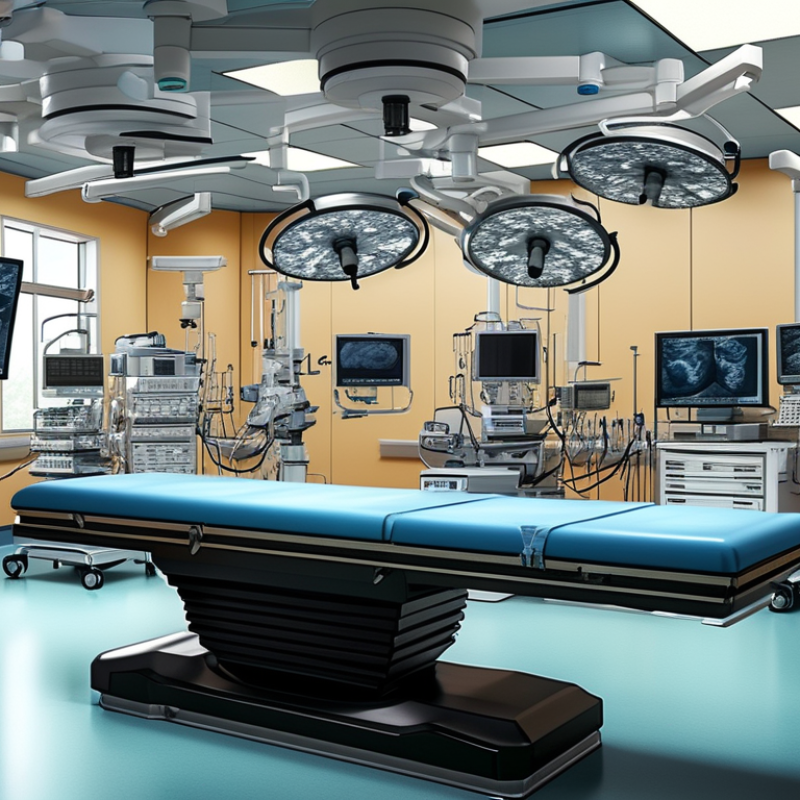
The Importance of Hybrid Operating Rooms in Modern Vascular Surgery
Hybrid operating rooms (ORs) are vital in modern vascular surgery. They combine imaging technology and surgical procedures in one space. This integration allows for real-time imaging, enhancing the precision of surgeries. Surgeons can visualize the anatomy accurately, making interventions safer and more effective. Hybrid ORs enable complex procedures to be performed with a higher success rate and lower complication risks.
Consider preparing for a hybrid operation by discussing the procedure with the surgical team. Understanding the technology used can ease patient anxieties. Communication is key. Make sure to ask questions about the role of imaging during your surgery. It can clarify the process and enhance confidence.
Evaluate the advantages these ORs bring. While the technology is impressive, it can also introduce complexities. Surgeons must be well-trained to handle both traditional and modern techniques. A hybrid environment requires adaptability. Continuous learning becomes essential for surgical teams to keep pace with advancements in this field. Acknowledging this is crucial for ongoing patient safety and improved outcomes.
Key Features of Hybrid Operating Rooms for Surgical Interventions
Hybrid operating rooms play a vital role in vascular surgery. These advanced environments combine traditional surgical tools with cutting-edge imaging technology. Surgeons benefit from real-time imaging during procedures. This integration allows for precise navigation and immediate decision-making.
Key features include advanced imaging systems, such as fluoroscopy and CT capabilities. These technologies provide a 360-degree view of vascular structures. Enhanced visualization reduces risks and improves outcomes. The versatility of hybrid rooms supports various procedures, from minimally invasive surgeries to complex repairs.
However, there are challenges. The setup can be costly, requiring significant investment. Additionally, staff training is crucial for maximizing the benefits of this technology. Not all facilities may have the resources to adapt. Balancing technology with hands-on skills remains a point of reflection. Vascular surgery continues to evolve with these innovations, but it’s essential to assess implementation carefully.
Advantages of Hybrid Operating Rooms for Treatment Efficiency and Outcomes
Hybrid operating rooms have transformed vascular surgery by combining advanced imaging techniques and surgical instruments. This integration enhances treatment efficiency and outcomes for patients. A recent report by the Society for Vascular Surgery highlights that hybrid surgical suites reduce procedural times by up to 30%. This efficiency allows for more procedures in a given timeframe.
Additionally, these facilities often lead to lower complication rates. A study published in the Journal of Vascular Surgery indicated that patients treated in hybrid rooms faced fewer postoperative complications. The ability to perform open procedures and interventions like endovascular repairs in the same room enhances safety and efficiency.
Tip: Consider the layout of the hybrid operating room.
Proper arrangement can also affect workflow efficiency.
Despite the benefits, the transition to hybrid operating rooms poses challenges. Significant financial investments are required to equip these spaces properly. Facilities must also train staff extensively, which can be a barrier. However, the potential for improved patient outcomes justifies the investment.
Tip:
Regularly reviewing operational processes can highlight areas for further efficiency gains.
Integration of Imaging Technology in Hybrid Operating Rooms
Hybrid operating rooms represent a significant advancement in vascular surgery. The integration of imaging technology in these spaces changes how surgeons operate.
Real-time imaging enhances precision during procedures. Surgeons can see complex structures clearly, minimizing risks and improving patient outcomes.
Some studies indicate that hybrid rooms can reduce surgery time by up to 30%.
The use of advanced imaging tools, such as fluoroscopy and ultrasound, is particularly beneficial. Surgeons can visualize blood flow and vascular anomalies while performing operations.
This immediate feedback allows for quick adjustments during surgery. A report from the Society for Vascular Surgery suggests that such technologies can lead to a
25% decrease in complications. However, operating in hybrid rooms also requires in-depth training for surgical teams.
There are challenges associated with mastering advanced equipment.
Despite the advantages, hybrid operating rooms have their drawbacks. Initial costs and maintenance are significant concerns for many hospitals.
Some facilities may struggle to integrate these technologies effectively. Ensuring all team members are well-versed in using imaging tools is vital.
Inadequate training may lead to errors. A comprehensive approach to staff education is essential for maximizing the benefits of hybrid surgery and ensuring patient safety.
Future Trends and Innovations in Hybrid Operating Room Design for Vascular Surgery
Hybrid operating rooms are transforming vascular surgery. They combine advanced imaging and surgical capabilities in one space. This integration facilitates complex procedures with greater precision and efficiency. Surgeons can perform operations while viewing high-resolution images in real-time. This innovation enhances patient outcomes and reduces recovery times.
Future trends in hybrid operating room design include the use of robotics and AI. These technologies can assist surgeons in tasks such as suturing and navigation. Increased automation may also help reduce the chances of human error. However, as these tools evolve, ongoing training for medical staff is essential. Not every surgeon may adapt easily to these advancements.
Tips: Always prioritize continued education for surgical teams. Familiarity with new equipment is crucial for effective use. Evaluate the impact of technology on patient care regularly. Balancing innovation with traditional techniques could lead to better outcomes. The journey towards optimizing hybrid operating rooms is filled with opportunities for growth and reflection.
Why Are Hybrid Operating Rooms Crucial for Vascular Surgery? - Future Trends and Innovations in Hybrid Operating Room Design for Vascular Surgery
| Feature |
Importance |
Trends |
Innovations |
| Advanced Imaging Technologies |
Enhances visualization of vascular structures |
Integration of CT and MRI |
Real-time imaging with 3D reconstructions |
| Flexible Surgical Environment |
Facilitates various surgical approaches |
Modular designs that adapt to needs |
Customizable surgical platforms |
| Minimally Invasive Techniques |
Reduces recovery time and complications |
Increase in robotic-assisted surgeries |
Enhanced robotic systems with AI |
| Infection Control Features |
Maintains sterile environment |
Use of antimicrobial materials |
Advanced air filtration systems |
| Enhanced Connectivity |
Facilitates data sharing and collaboration |
Integration with telemedicine |
Cloud-based surgical data systems |
FAQS
: Hybrid operating rooms combine imaging technology and surgical procedures in one space.
They allow for real-time imaging, enhancing surgical precision and making procedures safer.
Tools like fluoroscopy and ultrasound help visualize blood flow, minimizing complications during surgery.
Discuss the procedure with the surgical team to understand the technology and ease anxieties.
They require the surgical team to have in-depth training, which can be complex and demanding.
Initial costs and maintenance can be significant, making integration difficult for some hospitals.
Continuous education and training for all team members on imaging tools are crucial for success.
Yes, some studies suggest that they can reduce surgery time by up to 30%.
It helps clarify the process and can enhance a patient's confidence in their procedure.
They must weigh the benefits against the financial and training challenges involved.
Conclusion
Hybrid operating rooms are essential for vascular surgery due to their ability to enhance surgical precision and efficiency. These specialized environments integrate advanced imaging technology and surgical capabilities, allowing for complex procedures to be performed in a single setting. The combination of real-time imaging with surgical interventions significantly reduces the time patients spend under anesthesia and improves overall outcomes.
Furthermore, the advantages of hybrid operating rooms include streamlined workflows and improved collaboration among surgical teams, which ultimately lead to better treatment efficiency. As we look to the future, innovations in hybrid operating room design will continue to shape the landscape of vascular surgery, fostering an environment that supports cutting-edge procedures and improves patient care. Understanding why hybrid operating rooms are essential for vascular surgery underscores their role in advancing surgical practices and enhancing clinical results.
 SJ Medical
