How to Improve Leg Blood Flow After Surgery Naturally 2026?

Time:2026-10-16 Author:Madeline
0%

After surgery, heavy legs, swelling, and stiffness can make movement feel intimidating. Still, gentle activity often supports circulation and recovery when your surgical team approves it. This guide explains how to improve blood flow in legs naturally after surgery without promising instant results. Healing is personal. A knee replacement, abdominal procedure, and vein operation require different precautions.

Dr. Robert Sallis, a family physician and sports medicine specialist, helped establish the Exercise is Medicine initiative. His widely used message is simple: “Exercise is Medicine.” After surgery, that idea needs careful limits. Try slow ankle pumps while lying down, then progress to brief walks across the room. Notice the floor under your feet, the pull of your calf muscles, and whether swelling changes afterward. Comfortable compression garments may help some patients, but they are not suitable for everyone. Ask your clinician before using them.

This article also discusses hydration, leg elevation, breathing exercises, and safe position changes. It does not replace medical advice. Sudden one-sided swelling, increasing warmth, chest pain, severe breathlessness, or unusual calf pain requires urgent medical attention. I should acknowledge one uncomfortable truth: natural methods may support circulation, yet they cannot correct every postoperative problem. Progress may be uneven. One day may feel better, while the next feels disappointing. That does not always mean failure. Your surgeon, nurse, or physiotherapist can adjust the plan, especially when pain, stitches, drains, or mobility restrictions are present.
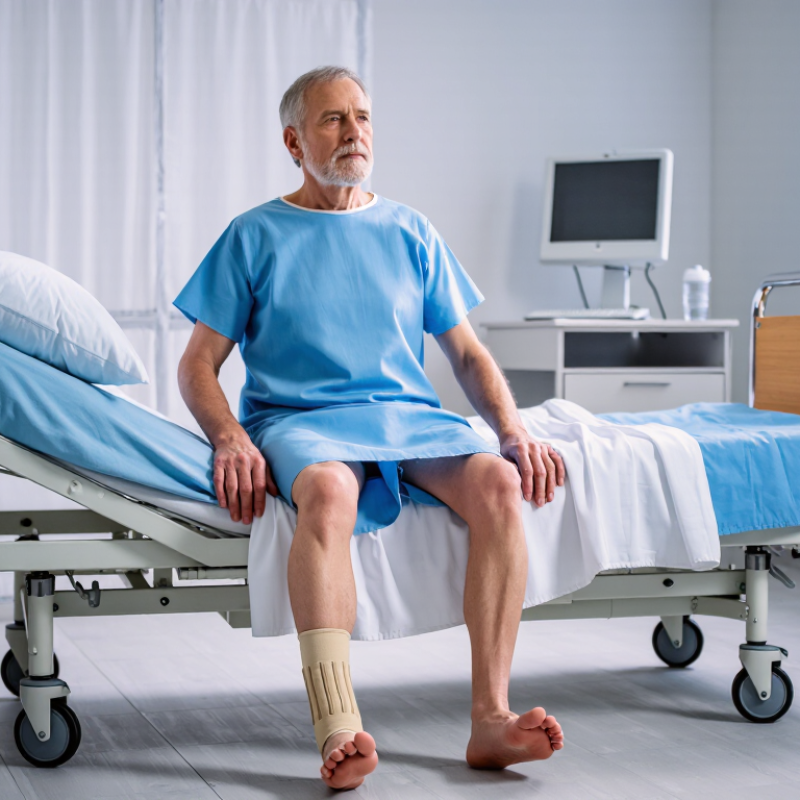
How to Improve Leg Blood Flow After Surgery Naturally 2026?

Understanding Leg Blood Flow Changes During Post-Surgery Recovery

How to Improve Leg Blood Flow After Surgery Naturally in 2026?

Leg blood flow often changes after surgery because movement decreases, swelling increases, and muscles pump less blood upward. Recovery is rarely linear. One inactive day can happen, but prolonged immobility deserves attention.

The Centers for Disease Control and Prevention estimates that up to 900,000 Americans develop venous thromboembolism each year. Surgery and limited movement can increase this risk. NICE guideline NG89 recommends individual risk assessment, early movement, and suitable hydration when medically allowed.

Tips:

  • Start with gentle ankle pumps while resting.
  • Flex and point each foot ten times, several times daily.
  • Walk short distances when your surgeon permits.
  • Keep your legs supported, but avoid placing pillows directly behind your knees for long periods.
  • Drink fluids unless your care team restricts them.
  • Do not massage a painful, swollen calf. It may worsen an undiagnosed clot.

Pay attention to changes around your incision and calf. Mild swelling may improve with elevation, but sudden one-sided swelling, warmth, redness, or deep pain requires urgent medical advice. Breathlessness or chest pain is an emergency.

Compression garments can help selected patients, but sizing and timing matter. Evidence does not support using them casually after every operation. Ask about your clot risk, walking limits, and medication plan.

The safest “natural” strategy is gradual movement guided by your surgical team, not forcing recovery.

Following Medical Guidance Before Starting Natural Circulation Support

How to Improve Leg Blood Flow After Surgery Naturally in 2026?

Following medical guidance must come before natural circulation support. Surgery can increase the risk of venous thromboembolism, especially during reduced mobility. The Centers for Disease Control and Prevention estimates that up to 900,000 people in the United States develop venous thromboembolism each year. Ask your surgeon when walking, ankle pumps, leg elevation, or compression are safe. Do not stop prescribed blood thinners. Do not begin massage or compression without approval.

Tips: While seated, gently flex and point your feet if cleared. Take short, supervised walks around the room. Keep water nearby, unless fluid restrictions apply. Avoid crossing your legs for long periods. A common mistake is doing too much too soon. Recovery is not a race.

Watch one leg carefully. New swelling, warmth, redness, tenderness, or sudden calf pain needs prompt medical advice. Chest pain, unexplained breathlessness, coughing blood, or faintness requires emergency care. The American College of Chest Physicians recommends risk-based prevention after surgery, rather than one routine method for everyone. NICE guidance also stresses individual assessment and mobility planning. These recommendations matter because “natural” does not automatically mean harmless. Even gentle exercises can be unsuitable after certain procedures, wounds, or complications. Small improvements count, but unclear symptoms should never be self-treated.

How to Improve Leg Blood Flow After Surgery Naturally in 2026

Gentle ankle movement, regular walking when medically approved, leg elevation, hydration, and avoiding long periods of immobility may support circulation after surgery. The schedule below is an illustrative planning guide only; follow your surgeon’s instructions before starting or changing activity.

A movement check-in may include ankle pumps, changing position, or a short walk if cleared by a healthcare professional. Stop and seek medical advice for increasing one-sided leg swelling, severe pain, warmth, redness, wound changes, sudden shortness of breath, chest pain, or coughing blood. Natural circulation support must not replace prescribed compression, anticoagulants, physical therapy, or follow-up care.

Using Gentle Movement and Position Changes to Encourage Blood Flow

After surgery, gentle movement can support circulation without straining healing tissues. Follow your surgeon’s instructions before trying anything new. If permitted, begin with slow ankle pumps while lying down. Point your toes away, then draw them back toward your shins. Repeat ten times, several times daily.

Position changes also matter. Avoid staying in one posture for hours. Shift carefully from your back to a supported sitting position, then take a short walk when cleared. Even a few steps beside the bed can help. Keep your feet supported, and avoid tight clothing behind the knees. Elevate the legs only as recommended, because some procedures require different positioning.

Small movements work best.

A common mistake is doing too much too soon. I would rather see steady, comfortable movement than one ambitious walk followed by a full day of rest. Stop if pain increases sharply, the incision pulls, or dizziness appears. Do not massage a swollen leg unless a qualified clinician approves it. Report new one-sided swelling, warmth, redness, severe calf pain, chest pain, or sudden breathlessness immediately. These symptoms may signal a serious complication and need urgent medical attention.

Supporting Vascular Health Through Hydration, Nutrition, and Healthy Habits

How to Improve Leg Blood Flow After Surgery Naturally in 2026

Supporting Vascular Health Through Hydration, Nutrition, and Healthy Habits

After surgery, gentle movement can support circulation and reduce stiffness. Follow your surgeon’s mobility instructions carefully. Short, frequent walks may be safer than one long walk. Try ankle pumps while resting. Move each foot up and down slowly for several repetitions. Avoid sitting with your knees bent for hours. Elevating your legs may help swelling, but keep the surgical area protected. Compression socks should only be used with medical approval. The wrong pressure can worsen discomfort or circulation problems.

Hydration supports normal blood volume and recovery. Sip water regularly unless your clinician has limited fluids. Kidney or heart conditions require individualized advice.

Choose meals with protein, vegetables, fruit, beans, and whole grains. These foods provide nutrients involved in tissue repair and vascular health. Iron-rich foods may help when blood loss occurred, but supplements should follow testing and professional guidance.

Limit heavily salted processed foods, especially when swelling is present. I used to think more activity always meant faster recovery. That is not necessarily true. Rest remains part of healing.

Stop and seek medical advice for sudden one-sided swelling, increasing warmth, severe pain, chest pain, or shortness of breath.

Recognizing Warning Signs That Require Prompt Medical Attention

After surgery, gentle movement can support leg circulation, but warning signs deserve greater attention. A common mistake is treating every symptom as normal recovery. Mild stiffness may improve with approved walking and ankle pumps. However, sudden swelling in one leg, increasing calf pain, unusual warmth, or red or darkened skin needs prompt medical advice. Do not massage the area. A blood clot can sometimes develop without dramatic pain.

Seek emergency help if leg symptoms occur with chest pain, sudden breathlessness, coughing blood, faintness, or a racing heartbeat. These signs may indicate a clot has traveled to the lungs. Do not drive yourself if you feel severely unwell. Contact emergency services and explain your recent surgery. Even if symptoms seem mild, trust changes that feel different from your expected recovery. Recovery is not always neat or predictable.

Tips: Take short walks only when your surgical team approves. Flex your ankles while resting. Keep the leg elevated if advised. Drink enough fluid unless your clinician restricted intake. Use compression garments only with professional guidance. They may be unsuitable after some procedures. Follow your discharge instructions carefully, and report worsening symptoms promptly. Your surgeon or nurse can judge whether a symptom is expected. Guessing is risky.

FAQS

What gentle movements can support leg circulation after surgery?

Take short walks only after your surgical team approves them. Move often, but keep each walk brief. Ankle pumps can help while resting. Move each foot up and down slowly. Keep it gentle.

Is one long walk better than several short walks?

Several short walks may be safer during early recovery. Follow your mobility instructions closely. Stop if pain, dizziness, or unusual swelling increases. More activity does not always mean faster healing.

How can I position my leg to reduce swelling?

Elevate your leg if your clinician recommends it. Protect the surgical area from pressure and accidental bumps. Avoid sitting with your knees bent for many hours. Comfort matters, but positioning advice may differ by procedure.

How much water should I drink after surgery?

Sip water regularly unless your clinician restricted fluids. Heart or kidney conditions require personal guidance. Do not force extra water without professional advice. Small, regular sips are practical.

Which foods may support recovery and vascular health?

Choose protein, vegetables, fruit, beans, and whole grains. These foods provide nutrients for tissue repair. Iron-rich foods may help after blood loss. Use iron supplements only after testing and professional advice. Food choices are helpful, not magical.

Should I wear compression socks after surgery?

Use compression socks only with medical approval. The wrong pressure may worsen discomfort or circulation problems. Some procedures make compression unsuitable. Do not guess the pressure.

Which leg symptoms need prompt medical attention?

Sudden swelling in one leg needs prompt medical advice. Increasing calf pain, unusual warmth, or darkened skin also matters. Do not massage the area. A clot may develop without dramatic pain.

When should leg symptoms become an emergency?

Seek emergency help for chest pain, sudden breathlessness, coughing blood, faintness, or a racing heartbeat. These symptoms may indicate a serious complication. Do not drive yourself if severely unwell. Explain your recent surgery to emergency services. Recovery is not always predictable.

Conclusion

After surgery, changes in leg blood flow can result from reduced mobility, swelling, inflammation, or temporary pressure on blood vessels. Understanding these changes is an important first step in learning how to improve blood flow in legs naturally after surgery. Always follow your surgeon’s instructions before adding any circulation-supporting routine, especially if you have restrictions, pain, or a higher risk of blood clots.

When medically approved, gentle walking, ankle pumps, and regular position changes may help encourage circulation without placing excessive strain on healing tissues. Staying adequately hydrated, eating a balanced diet rich in vegetables, fruits, lean proteins, and fiber, and avoiding smoking can also support vascular health. Elevating the legs may reduce swelling when recommended, but it should be done safely and comfortably. Seek prompt medical attention for sudden or worsening leg swelling, severe pain, warmth, redness, skin discoloration, unexplained shortness of breath, chest pain, or coughing blood, as these symptoms may signal a serious complication.

Madeline

Madeline

Madeline is a dedicated marketing professional with a wealth of expertise in our company's core offerings. With a keen understanding of the industry, she brings a unique perspective to her role, consistently delivering high-quality content that highlights the superior aspects of our products. As......