What Is the Shelf Life of China Top Medical Grade Masks?

Time:2026-09-26 Author:Sophia
0%

A box of medical masks may look unchanged after months on a warehouse shelf, but appearance alone cannot confirm its performance. For anyone asking “what is the shelf life of medical grade face masks,” the safest starting point is the expiration date and storage guidance printed by the manufacturer. There is no single shelf life for every mask made in China. It can vary by model, materials, packaging, and the manufacturer’s validated testing. Details matter. Heat, humidity, sunlight, or damaged packaging may also affect a product before its labeled date.

Filtration researcher Peter Tsai, known for his work on electret filter materials used in respirators, offers a relevant point—paraphrased, not a verbatim quotation: protective performance depends on the filter, and storage conditions matter. That is useful context, though a medical mask is not automatically the same as an N95 respirator. The label for the specific product should guide the decision. Check the sealed pouch, date, model, and any storage instructions. Look closely for brittle or stretched ear loops, a damaged nose strip, or a torn wrapper. These signs do not establish a precise expiration date, but they are reasons to pause. It is tempting to treat the printed date as the whole answer. That is too simple; product documentation and condition matter too. This guide explains what shelf-life labels mean, how to store masks, and when replacement is the more cautious choice.
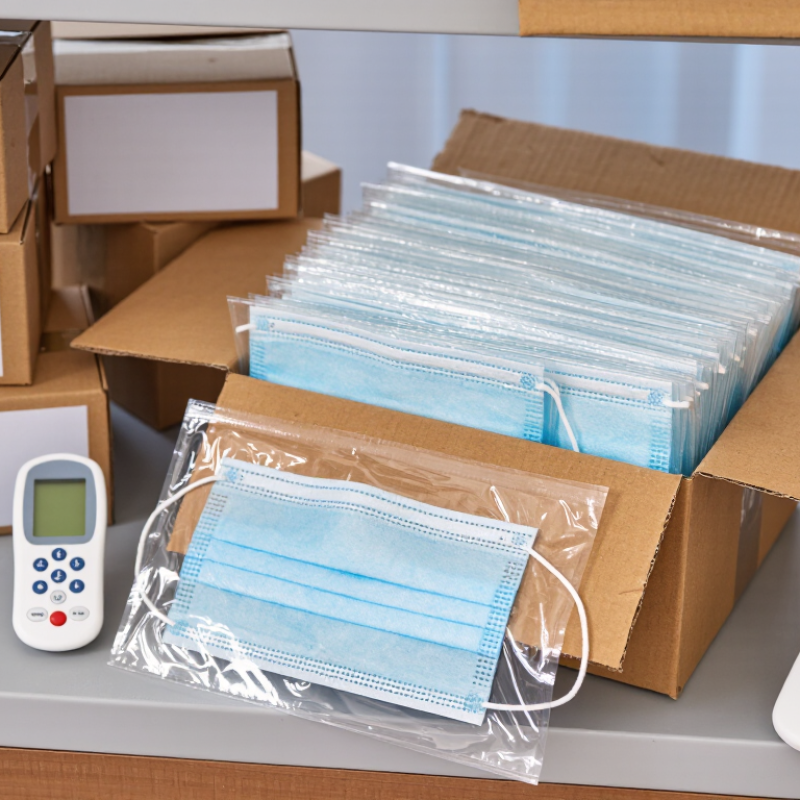
What Is the Shelf Life of China Top Medical Grade Masks?

Understanding Medical-Grade Mask Categories in China

What Is the Shelf Life of China Top Medical Grade Masks?

Understanding Medical-Grade Mask Categories in China

In China, “medical-grade mask” covers several product categories, not one uniform level of protection. The intended use and technical standard matter. GB 19083-2010 sets three filtration levels for medical protective masks: at least 95%, 99%, and 99.97% for Levels 1, 2, and 3. These figures describe filtration performance under specified test conditions, not a guarantee of protection in every situation.

Medical surgical masks follow YY 0469-2011, which specifies bacterial filtration efficiency of at least 95% and non-oily particle filtration efficiency of at least 30%. Disposable medical masks under YY/T 0969-2013 are a separate category. Not interchangeable. A mask’s category cannot be identified reliably by appearance alone; check the standard number and intended use on its packaging.

Shelf life is separate from category. These standards describe product requirements, but they do not give every mask a single universal expiry period. The manufacturer’s labeled expiry date applies to the specific product, provided its sealed packaging remains intact and storage conditions are followed. Heat, moisture, or damaged packaging can affect product condition. One point is easy to miss: a high filtration rating does not tell you how long a mask remains suitable for use. I would check both the category and the expiry label.

How Manufacturers Determine and Label Mask Shelf Life

Medical mask shelf life is established through evidence, not appearance alone. Manufacturers assess how key components change over time, including filter media, ear loops, nose clips, and packaging. They may test stored samples at different intervals and use accelerated aging studies to estimate long-term performance. Real-time testing can add useful confirmation. It takes patience.

Results help manufacturers decide whether a mask still meets its stated performance specifications after storage. The packaging matters too: a compromised seal can expose the mask to dust or moisture. Shelf life can vary with design, materials, and storage conditions, so one date should not be assumed to fit every medical-grade mask. Reliable documentation connects test results to the relevant product and production batches.

Labels commonly show a lot number, manufacturing date, expiration date, and storage instructions. The stated shelf life generally applies to unopened masks kept under the specified conditions. Heat, humidity, and direct sunlight may affect materials, even when the printed date has not passed. Check the package before use. If it is torn, damp, or unsealed, the date alone cannot confirm that the mask is suitable. Labels can leave questions, so clear records and practical storage guidance matter.

Typical Shelf-Life Ranges and Product Variations

For China top medical-grade masks, shelf life is usually printed on the unopened package, and many product labels show a range of about three to five years. That range is common, not guaranteed. NIOSH guidance on expiration dates for filtering facepiece respirators explains that manufacturers set shelf life according to materials and storage conditions; NIOSH does not assign one universal period. ASTM F2100 sets performance requirements for medical face masks, but it does not prescribe a fixed shelf life. A date on the carton matters.

Product construction can change the dating. A mask with elastic ear loops, nose wires, adhesives, or electrostatic filter media may age differently from another design. Heat, sunlight, humidity, and crushed cartons can also affect materials before the printed date. Keep masks sealed in a cool, dry place, away from windows and heaters. Check the packaging for a lot number and expiration date. If the loops feel brittle or the mask is damp, stained, or misshapen, do not rely on its appearance alone. Shelf-life labels are useful, but storage history is often imperfect—and that uncertainty deserves attention.

What Is the Shelf Life of China Top Medical Grade Masks?

Typical shelf-life ranges and product variations

Many disposable medical masks and protective respirators carry labeled shelf lives in the range of 3–5 years, but this is not a universal standard. The exact expiry date depends on the product and its manufacturer. Follow the date and storage instructions printed on the packaging; do not use expired or damaged masks.

How Storage Conditions Affect Mask Performance

What Is the Shelf Life of China Top Medical Grade Masks?

A medical mask’s shelf life depends on its materials, packaging, and the manufacturer’s tested specifications. Check the expiry date printed on the package rather than relying on a general rule. Storage matters, too. Heat, moisture, sunlight, and dust can affect the mask or its packaging before that date arrives.

Keep masks sealed in their original packaging, in a cool, dry, clean place. A bedroom cupboard is usually more suitable than a bathroom or a parked car, where temperatures and humidity can shift quickly. Avoid placing heavy objects on the box; crushed packaging may deform masks or damage their straps. Small details matter. A clean shelf helps, but a damp room can undo that care.

Before use, inspect the mask for tears, dampness, broken straps, or a bent nose piece. Follow the package instructions if anything looks questionable, and replace a damaged mask. Storage cannot be judged by appearance alone: a mask that looks normal is not proof that its performance remains unchanged. I would not assume every mask has the same shelf life, either. The label and manufacturer’s storage guidance are the most reliable references.

How to Check Expiry Dates and Signs of Damage

What Is the Shelf Life of China Top Medical Grade Masks?

How to Check Expiry Dates and Signs of Damage

A medical mask’s shelf life depends on its materials and storage, so there is no reliable universal expiry period. Check the box and individual wrapper for an expiry date, lot number, and model information. The date should be legible and consistent across the packaging. For respirators, CDC/NIOSH guidance says to follow the manufacturer’s stated shelf life; medical masks may use different specifications. Keep masks in their original packaging, away from heat, sunlight, moisture, and dust. A damp cupboard can matter more than a tidy-looking box.

Inspect each mask before wearing it. Discard it if the wrapper is torn or wet, the mask has holes or crushed folds, or its straps are loose or detached. Check that the nose wire is secure and the inner surface is clean. Stop there. A mask can look fine but still have unknown storage history, so visual checks cannot confirm filtration performance.

The European standard EN 14683:2019 sets bacterial filtration efficiency thresholds of at least 95% for Type I masks and 98% for Type II and Type IIR masks. These are laboratory performance requirements, not a home test or a promise that an old mask still meets them. Still, a printed date cannot tell the whole story. If the mask is expired, damaged, or has unclear storage conditions, replace it rather than guessing.

FAQS

How long do medical-grade masks usually last unopened?

Many packages show a shelf life of about three to five years. This is a common range, not a guarantee. Check the printed date.

Does every mask have the same shelf life?

No. Materials and construction can affect how a mask ages. Elastic loops, nose wires, adhesives, and filter media may differ. Dates vary.

Which storage conditions can affect a mask?

Heat, sunlight, moisture, dust, and crushed packaging may affect masks or their materials. Keep them in a cool, dry, clean place.

Where should unopened masks be stored?

Keep them sealed in their original packaging, away from windows and heaters. A bedroom cupboard is usually better than a bathroom or parked car.

Can damaged packaging matter?

Yes. Heavy objects can crush a box and deform masks or damage their straps. Small details matter.

What should I inspect before using a mask?

Look for tears, dampness, stains, misshaping, brittle or broken straps, and a bent nose piece. Replace a damaged mask.

Is a normal appearance proof that a mask still works as intended?

No. A mask that looks normal does not prove its performance is unchanged. Storage history can be hard to know.

What should I do if the date or storage history is unclear?

Check the package instructions and the manufacturer’s storage guidance. Do not assume all masks share one shelf life. I might still have doubts.

Conclusion

The shelf life of medical-grade masks in China depends on their category, materials, construction, and the manufacturer’s testing. To answer what is the shelf life of medical grade face masks, check the expiry date and storage guidance printed on the product packaging rather than assuming every mask has the same lifespan. Different products may have different shelf-life ranges, so the label is the most reliable guide.

Storage conditions can affect a mask’s materials and performance over time. Keep masks sealed and store them in a clean, dry place away from heat, moisture, and direct sunlight. Before use, inspect the packaging and mask for damage, discoloration, deformation, or weakened straps. If a mask is expired or shows signs of deterioration, do not rely on it for its intended protective function.

Sophia

Sophia

Sophia is a dedicated marketing professional with an exceptional depth of knowledge about her company's products and services. With a keen understanding of market trends and customer needs, she crafts insightful blog posts that not only inform but also engage readers, enriching the company’s online......