SJ Medical
SJ Medical
SJ Medical
Explore our precision-engineered vascular and electrophysiological systems built to support modern clinical standards globally.


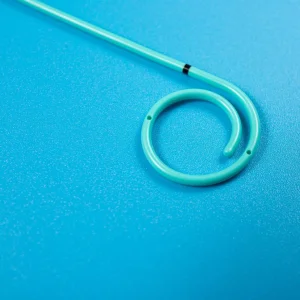
As the primary conductive conduits between cardiac pacemakers and the myocardium, modern pacemaker leads dictate the overall reliability and longevity of implantable cardiac pacing therapy. The electrophysiology industry is shifting rapidly toward improving biomechanical compatibility, electrical conductivity, and durability. To deliver critical information gain to clinical teams, procurement officers, and design engineers, we evaluate the dominant pathways of pacing lead development below:
Traditional silicone and polyurethane leads face issues like environmental stress cracking (ESC) and metal-induced oxidation (MIO). Next-generation copolymer materials (e.g., silicone-polyurethane hybrids) offer the optimal balance of flex life, tensile strength, and biostability, ensuring reliable electrical performance over decades of cardiac motion.
The host tissue reaction to the metallic electrode tip creates a fibrous capsule, increasing the pacing threshold. The micro-controlled integration of steroid compounds (e.g., dexamethasone sodium phosphate) onto the electrode tip reduces post-implantation inflammation, preserves battery life, and increases pacemaker longevity.
With magnetic resonance imaging (MRI) being a gold-standard diagnostic tool, the demand for MRI-conditional pacing leads is growing. Engineers use optimized winding structures and filtration elements to prevent lead-tip heating caused by radiofrequency (RF) fields, protecting patient cardiac tissue during diagnostic scans.
Looking forward, the roadmap points toward the implementation of leadless pacemakers and smart pacing systems. However, transvenous leads remain the clinical standard for multi-chamber synchronization therapies (such as Cardiac Resynchronization Therapy, or CRT). Our ongoing material and mechanical improvements make sure that transvenous leads remain robust, safe, and cost-efficient for global healthcare providers.
Healthcare providers face challenges with the integration of therapeutic cardiovascular products and diagnostic consumables. Hangzhou SJ Medical provides comprehensive systems that bridge the gap between clinical interventions and medical technologies. By ensuring compatibility across interventional access and diagnostic tools, we optimize workflow speed and safety in cath labs worldwide.
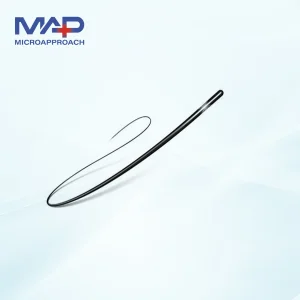
Our vascular intervention systems span diagnostic catheters, balloon dilatation platforms, and guidewires. By using a single-vendor sourcing approach, clinical centers reduce compatibility risks during demanding procedures, ensuring that guide catheters, peel-away sheaths, and guidewires work together seamlessly.
This integration directly reduces procedure times, fluoroscopic exposure, and vascular access complications for patients undergoing electrophysiological diagnostics and therapeutic pacing therapies.
Hangzhou SJ Medical Co., Ltd. was established in 2015 and is dedicated to the research, development, manufacturing, and commercialization of vascular interventional medical devices. The company focuses on both cardiovascular and peripheral intervention fields, striving to provide safe, reliable, and innovative solutions for healthcare providers worldwide.
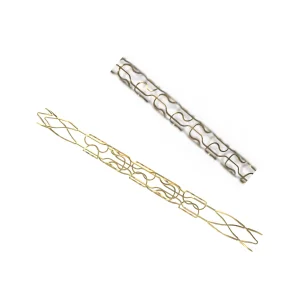
Over the years, SJ Medical has developed a comprehensive product portfolio covering key areas of vascular intervention. Its offerings span from various types of balloon catheters for coronary and peripheral applications to supporting access and diagnostic devices, as well as advanced stent systems. Through continuous innovation and strong R&D capabilities, the company has obtained multiple patents and international certifications, laying a solid foundation for sustainable growth in both domestic and global markets.
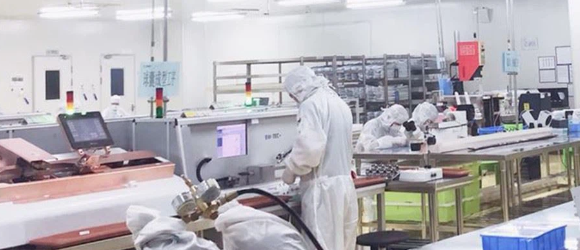
Building high-quality cardiovascular medical devices requires strict control over raw materials, manufacturing environments, and inspection standards. Hangzhou SJ Medical's production facilities represent the modern standard of manufacturing in China, bringing together automated precision and cleanroom integrity.
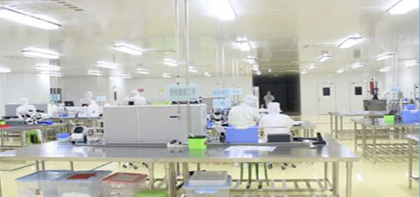
Our manufacturing plant features a high-standard cleanroom environment, including a million-class clean workshop with localized hundred-class areas for critical processes. This design prevents particulate contamination during manufacturing, ensuring the purity and biocompatibility of each implantable or interventional component.
The company is supported by a highly experienced technical team, many of whom have been engaged in the medical device industry for decades. Under the leadership of senior engineers, SJ Medical maintains strict quality control and continuously improves its manufacturing processes to ensure product reliability and consistency.
The company is equipped with advanced production and inspection systems, including precision balloon forming equipment, laser welding and marking technologies, and comprehensive laboratory testing facilities. These capabilities ensure high levels of manufacturing accuracy, product consistency, and full-process quality control.
Our integration of modern logistics and lean manufacturing structures helps us respond quickly to international supply chain disruptions. We maintain a reliable safety stock of raw medical materials, safeguarding global hospital supply chains against unexpected logistics bottlenecks.
Entering international healthcare markets requires adherence to regulatory frameworks. SJ Medical is committed to facilitating seamless compliance procedures for our global distribution partners.
SJ Medical strictly adheres to international quality standards and regulatory requirements. The company has obtained CE certification, ISO 13485 quality management system certification, and CFDA approval, along with free sale certificates, demonstrating its strong commitment to product quality and compliance.
We assist our regional distributors with complete regulatory dossiers (technical files, biocompatibility data, and sterilization validations) to accelerate local registration and clinical approval processes in Europe, the Middle East, and Asia.
Supporting CE certified vascular access networks in Finland, Italy, Spain, France, and the Netherlands. Fully compliant with rigorous European standards.
Serving robust clinical procurement pathways in Turkey and Egypt, backed by tailored customs compliance documentation.
Supplying high-demand interventional markets in India and Indonesia through optimized shipping methods and local regulatory support.
B2B medical procurement managers face the task of balancing cost-efficiency with high clinical safety standards. When sourcing active medical implants and vascular access equipment, specific validation metrics are required to satisfy quality assurance protocols:
1. Biocompatibility Validation (ISO 10993)
Procurement teams require proof of biocompatibility testing, ensuring components show no signs of cytotoxicity, sensitization, or systemic toxicity under prolonged host contact.
2. Electrical Integrity & Resistance Monitoring
Pacing leads demand low polarization thresholds and stable insulation resistance values to minimize cardiac battery load and preserve device longevity.
3. Sterilization Reliability (EO & E-Beam)
All access systems and clinical interfaces must feature validated sterilization parameters (e.g., Ethylene Oxide sterilization validation ISO 11135), providing a sterility assurance level (SAL) of 10^-6.
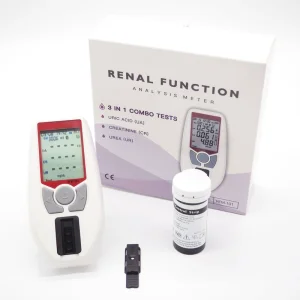
Comprehensive support equipment, clinical tools, and diagnostic systems designed to optimize patient care and procedural efficiency.