SJ Medical
SJ Medical
SJ Medical
Analyzing market trends, clinical demands, and the rise of high-quality Chinese manufacturing in the global medical device supply chain.
The global peripheral vascular intervention (PVI) market is witnessing a paradigm shift. With the increasing prevalence of Peripheral Artery Disease (PAD)—affecting over 200 million people worldwide—the demand for minimally invasive treatments has surged. Surgeons are moving away from traditional open surgeries toward catheter-based interventions that offer shorter recovery times, reduced infection risks, and improved patient outcomes.
China has emerged as a powerhouse in this sector. Chinese factories, like Hangzhou SJ Medical Co., Ltd., have transitioned from basic manufacturing to high-end R&D. By integrating advanced polymer science, laser precision engineering, and rigorous clinical validation, these exporters now provide solutions that rival European and American counterparts in both efficacy and safety, but with significant cost-efficiency and supply chain stability.
Expected to grow at 7.2% annually, driven by an aging population and diabetes-related vascular complications.
Transition from Bare Metal Stents (BMS) to Drug-Coated Balloons (DCB) and Bioresorbable Scaffolds.
Increasing focus on emerging markets in Southeast Asia, the Middle East, and Latin America.
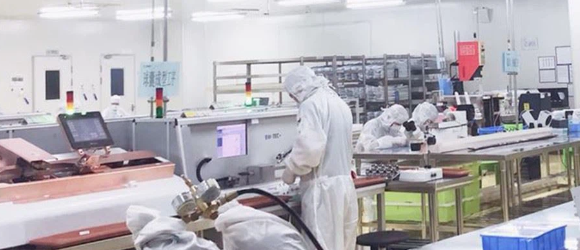
Hangzhou SJ Medical Co., Ltd., established in 2015, stands at the forefront of the research, development, and manufacturing of vascular interventional medical devices. Our focus spans both cardiovascular and peripheral intervention fields, providing world-class solutions for healthcare providers.
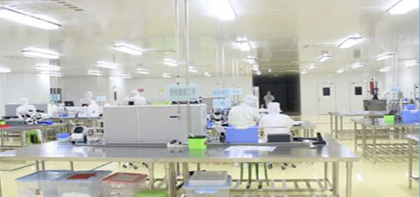
Operating a 5,000 square meter modern facility, we adhere strictly to GMP standards. Our infrastructure includes a million-class clean workshop with localized hundred-class areas for critical manufacturing processes, ensuring the highest level of sterility and precision.
Our technical leadership consists of senior engineers with decades of experience in the medical device industry, maintaining a culture of strict quality control and continuous improvement.
The evolution of interventional materials and the next generation of vascular therapy.
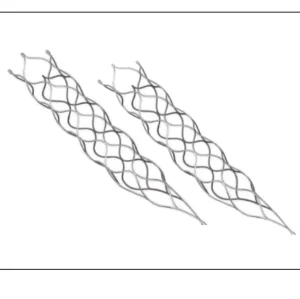
Development of ultra-thin wall balloon catheters and high-flexibility nitinol stents that provide better trackability through tortuous anatomy.
Optimization of Drug-Coated Balloons (DCB) using Paclitaxel or Sirolimus with advanced excipients to maximize drug transfer and minimize systemic loss.
Future development of smart catheters integrated with sensors for real-time pressure monitoring and AI-assisted lesion crossing.
Research into scaffolds that provide temporary support to the vessel wall and then naturally dissolve, leaving no permanent implant behind.
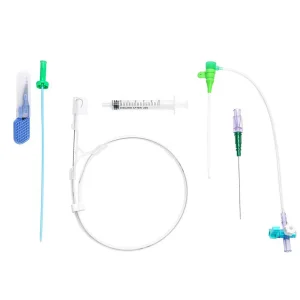
Modern vascular intervention is no longer just about the device; it's about the Procedural Ecosystem. We provide comprehensive solutions that include access systems (sheaths), diagnostic tools (catheters), and therapeutic devices (balloons and stents). This integrated approach reduces compatibility issues during surgery and streamlines the procurement process for hospital administrators.
Where our technology meets clinical practice across the globe.
In regions with high diabetes rates (e.g., Middle East), our high-pressure balloons are used to treat below-the-knee (BTK) lesions, preventing amputations and improving quality of life.
Precise stent placement and balloon angioplasty help manage resistant hypertension and preserve renal function in geriatric patients.
Advanced thrombectomy stents and catheters are utilized in European clinics for rapid clot removal, reducing the risk of post-thrombotic syndrome.
Navigating international regulatory frameworks is a core competency of SJ Medical. We ensure that our products meet the stringent requirements of different regions:
Our localized support includes clinical training for physicians, technical workshops, and a responsive after-sales network that spans from Italy to Turkey.
Expert insights into peripheral vascular manufacturing and procurement.