📘 Product Description
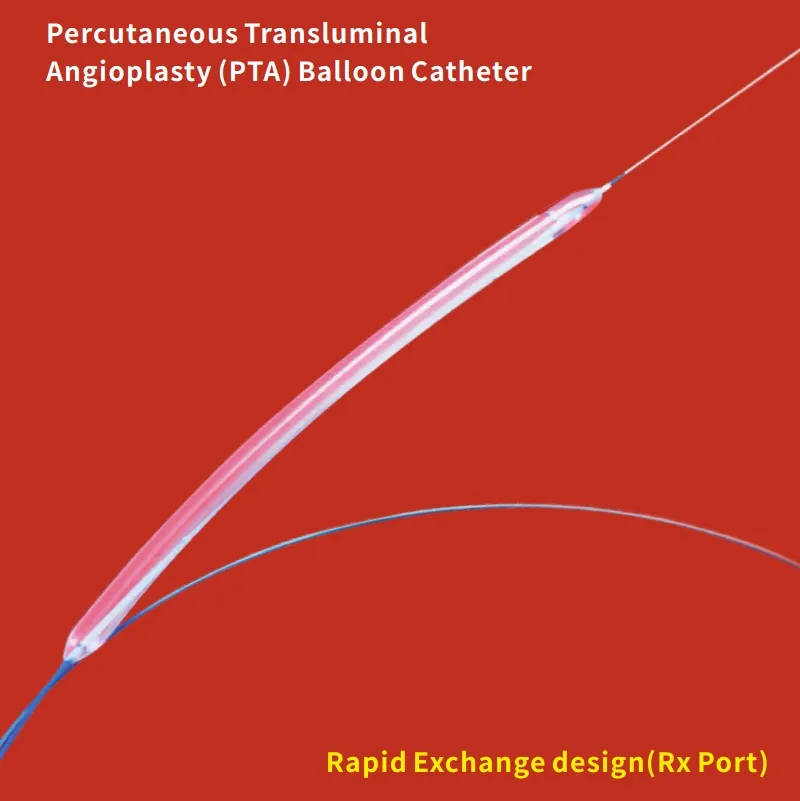
Percutaneous Transluminal Angioplasty (PTA) Balloon Catheter: A Key Minimally Invasive Vascular Intervention Tool
The Percutaneous Transluminal Angioplasty (PTA) Balloon Catheter is a core medical device used in interventional cardiology and vascular surgery to treat arterial or venous stenosis (narrowing) or occlusion (blockage) caused by conditions like atherosclerosis, thrombosis, or vascular fibrosis. Designed for minimally invasive procedures, it restores blood flow without the need for open surgery, revolutionizing the management of vascular diseases.
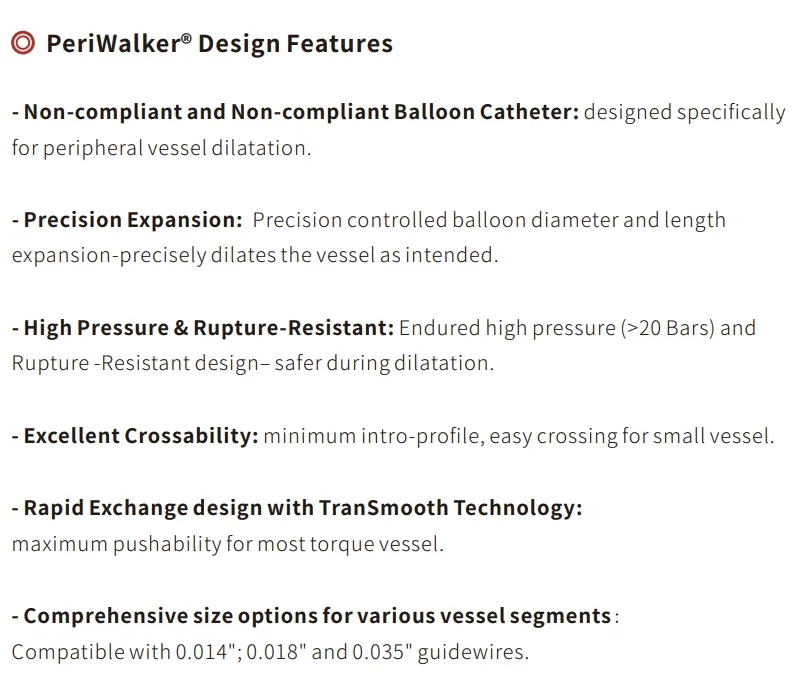
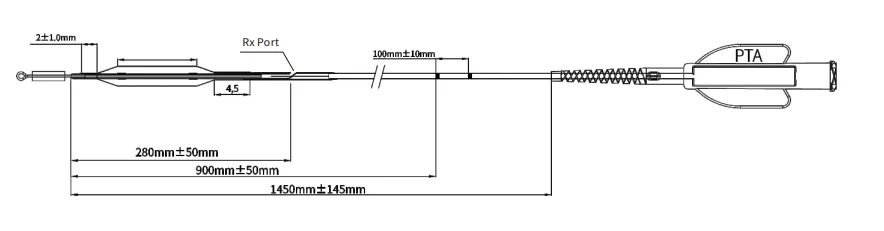
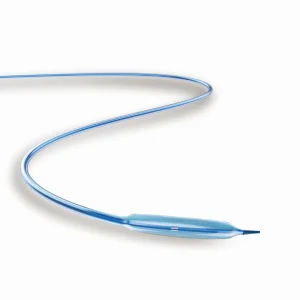
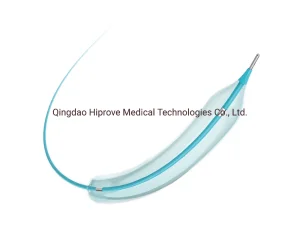
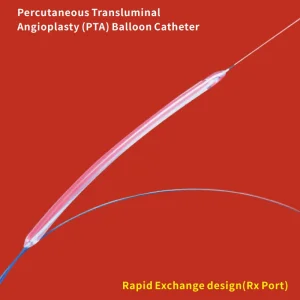
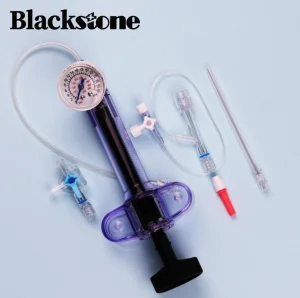
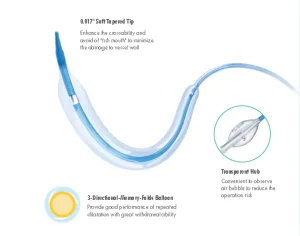
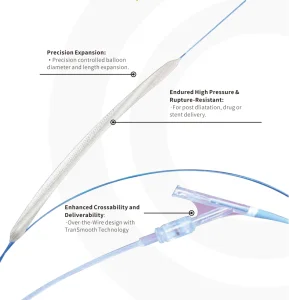
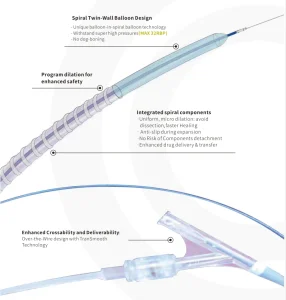
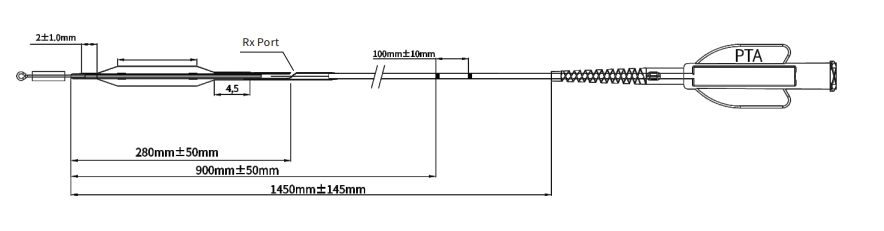
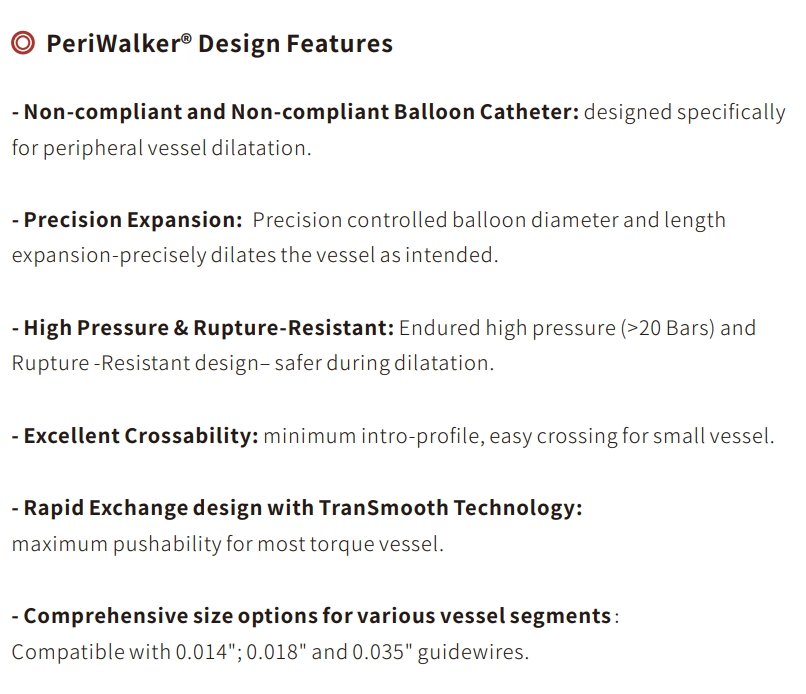
Structurally, a typical PTA balloon catheter consists of three key components: a flexible, hollow catheter shaft, an inflatable balloon at the distal (tip) end, and a proximal hub connected to an inflation device. The balloon itself is crafted from compliant, semi-compliant, or non-compliant materials—each tailored to specific clinical needs. Compliant balloons expand to fit vessel irregularities, while non-compliant ones maintain a fixed diameter to dilate rigid, calcified lesions.
The working principle involves navigating a guidewire through the narrowed vessel under imaging guidance. The deflated balloon catheter is advanced over the wire until positioned within the stenotic area. The physician then inflates the balloon using a contrast medium, generating pressure that pushes the plaque outward, widening the vessel lumen.
Clinically, these catheters are used for coronary artery stenosis, peripheral artery disease, and cerebrovascular stenosis. Modern versions include drug-coated balloons (DCBs), which release anti-proliferative drugs locally to inhibit smooth muscle cell overgrowth and reduce the rate of restenosis.
❓ Frequently Asked Questions
1. What is the primary function of a PTA Balloon Catheter?
It is used to dilate narrowed or blocked blood vessels (stenosis) caused by plaque or fibrosis, restoring normal blood flow in a minimally invasive manner.
2. What are the differences between compliant and non-compliant balloons?
Compliant balloons are flexible and adapt to vessel shapes, while non-compliant balloons maintain a specific diameter under high pressure, ideal for treating calcified or rigid lesions.
3. How are drug-coated balloons (DCB) beneficial?
DCBs release anti-proliferative drugs during inflation to inhibit the growth of cells that cause re-narrowing (restenosis), providing better long-term results.
4. Is the procedure performed under general anesthesia?
Most PTA procedures are performed using local anesthesia and mild sedation, as they are minimally invasive compared to traditional open surgery.
5. What certifications do these catheters hold?
Our PTA balloon catheters are compliant with international standards, holding CE and ISO13485 certifications for medical device safety and quality.
6. Which vascular areas can be treated with this device?
Common applications include coronary arteries, femoral, iliac, and renal arteries, as well as cerebrovascular segments.

 SJ Medical