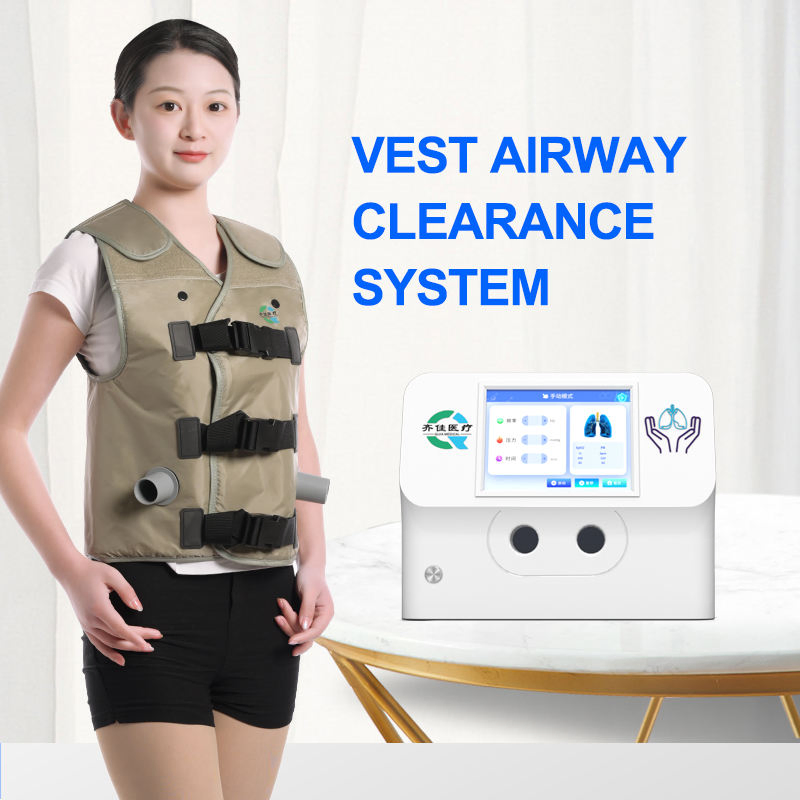
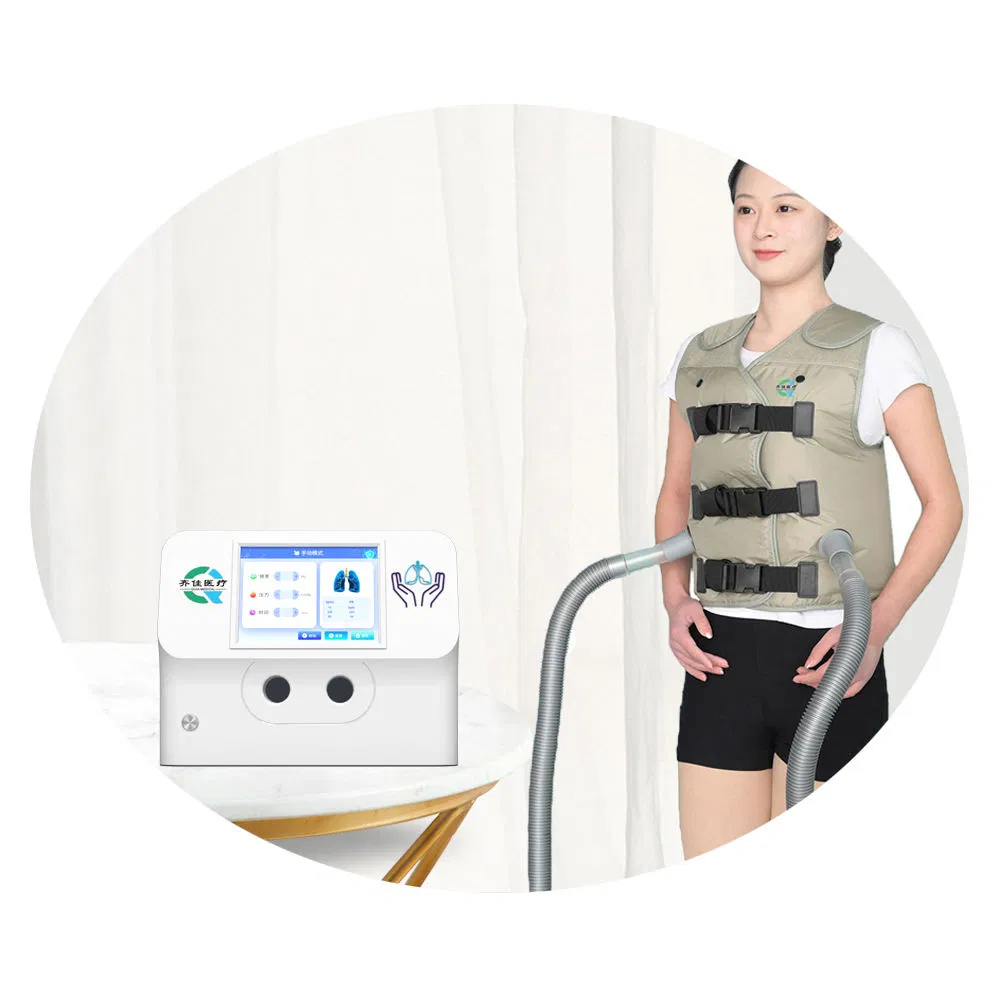
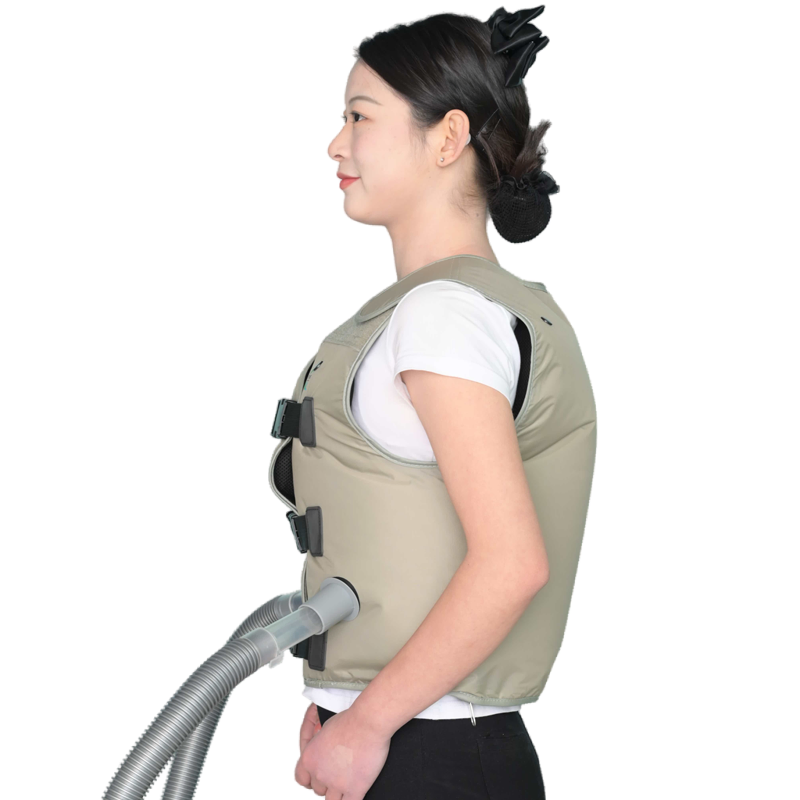
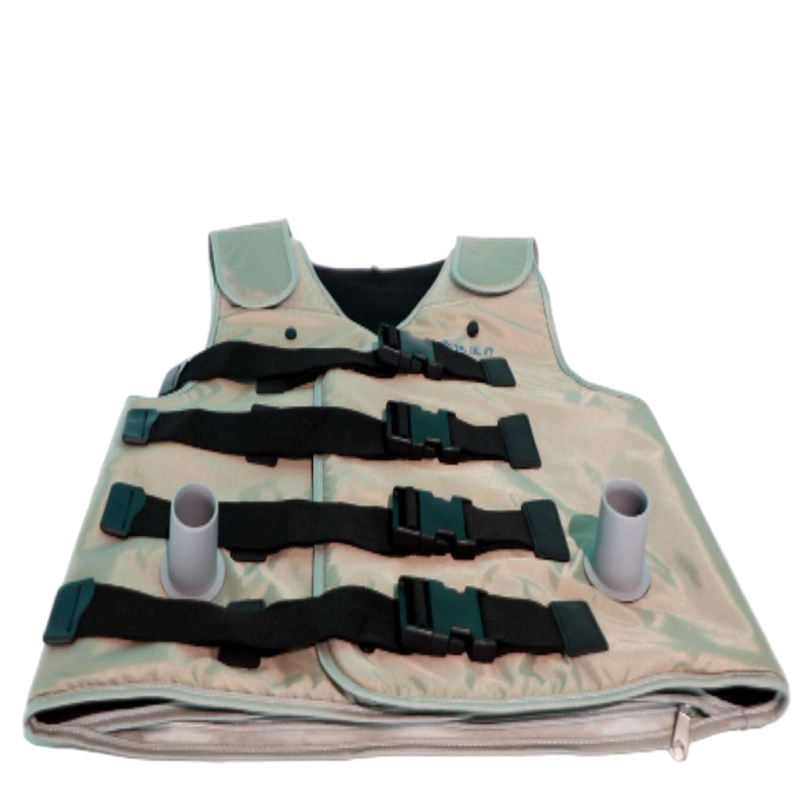
Airway Clearance Sputum Clearance Treat Copd-Chronic Bronchitis Breathing Physiotherapy Vest Vibrate Device Vest-Style Chest Percussion Vest

Still deciding? Get samples of $ !
Request Sample

Product Description

Basic Information

Model NO.
PT-300QJ
Theory
Physical
Certification
CE, ISO13485
LCD Display
With LCD Display
Group
Adult
Warranty
1 Year
Instrument
Classification Class II
Closure Type
Magnetic
Application
Hospital
Specification
40X50X40 cm

Products Description

Product introduction - High frequency oscillation expectoration system accessories
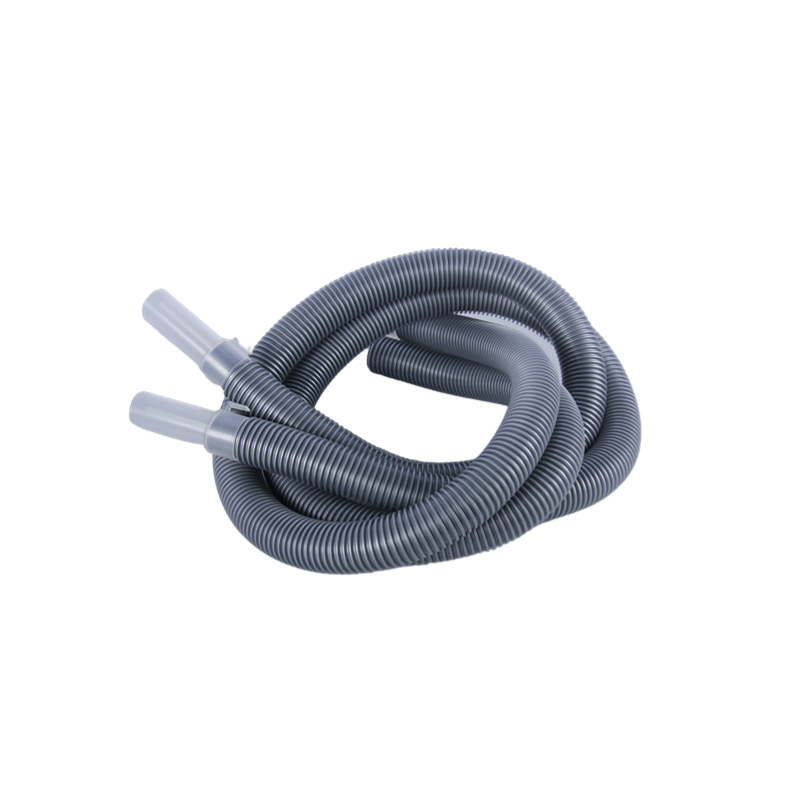
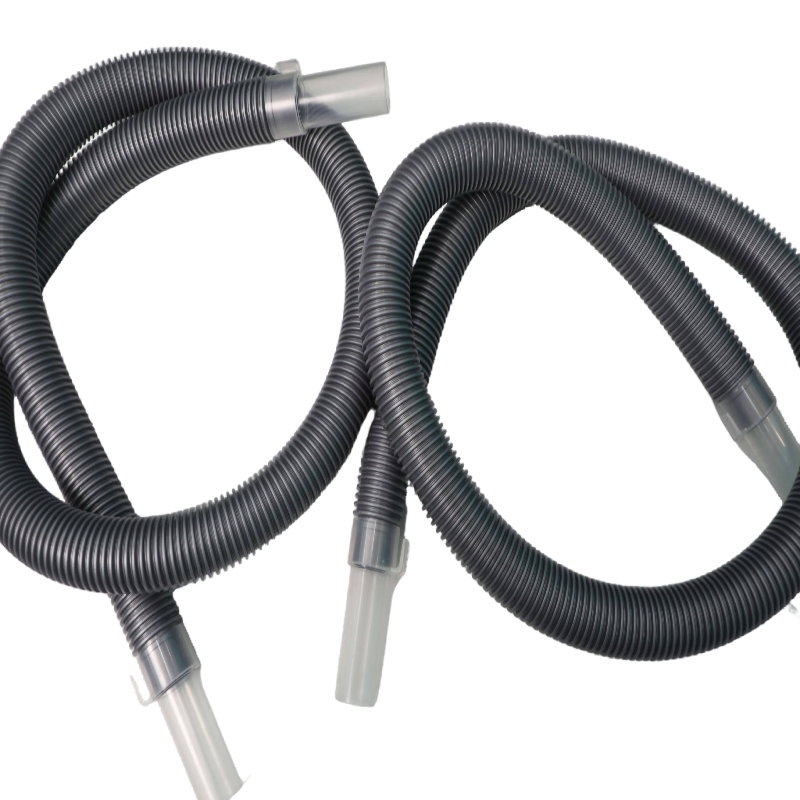
Pipeline

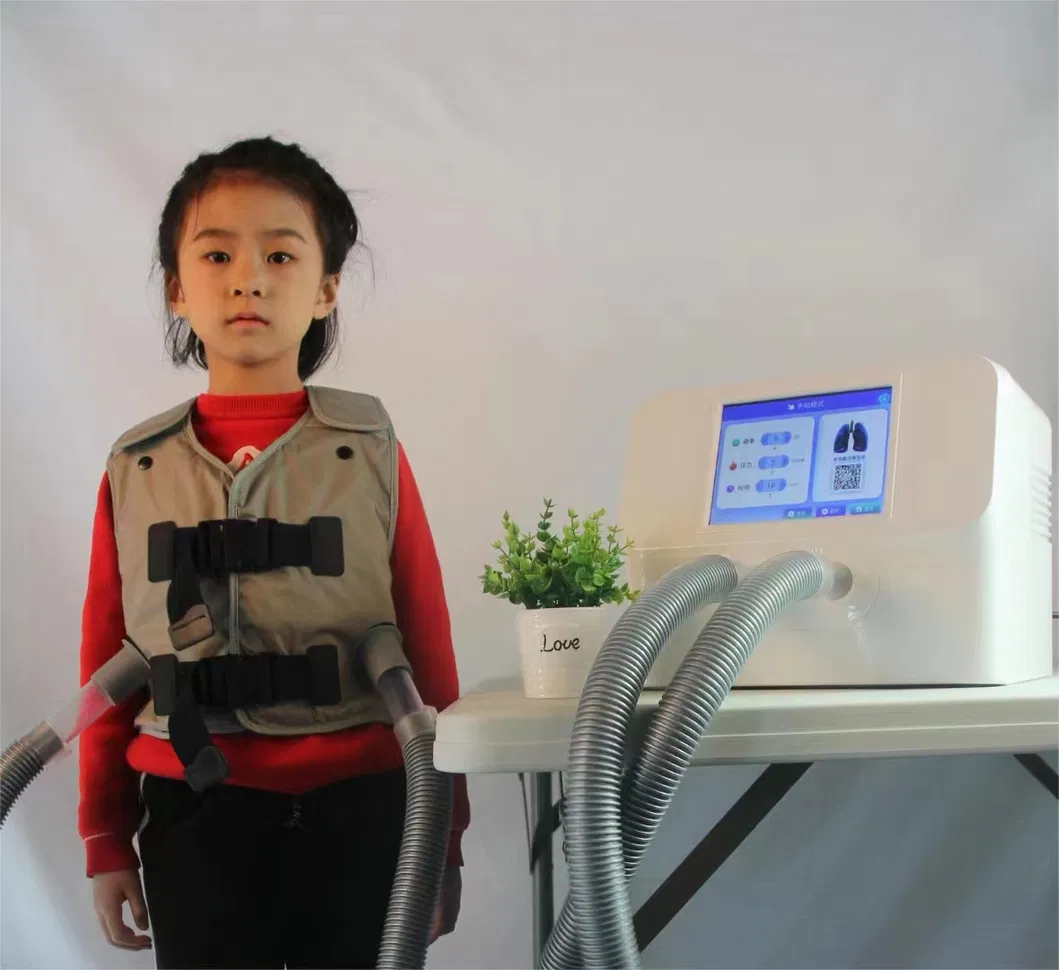
Pipeline: Connect the device to the vest's airway.
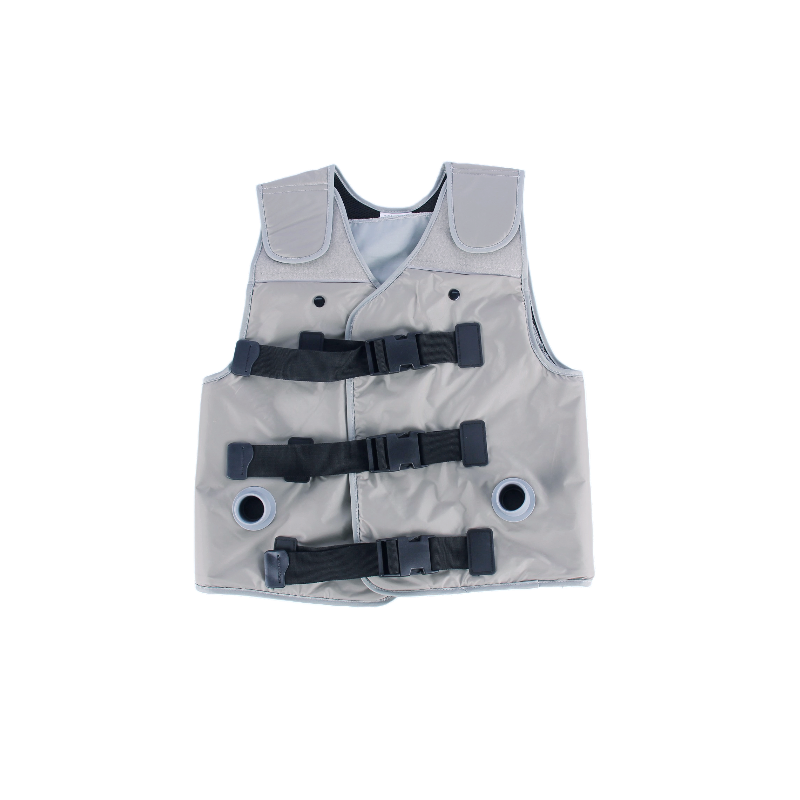
Waistcoat

Waistcoat: Detachable vest, divided into different models according to body types.
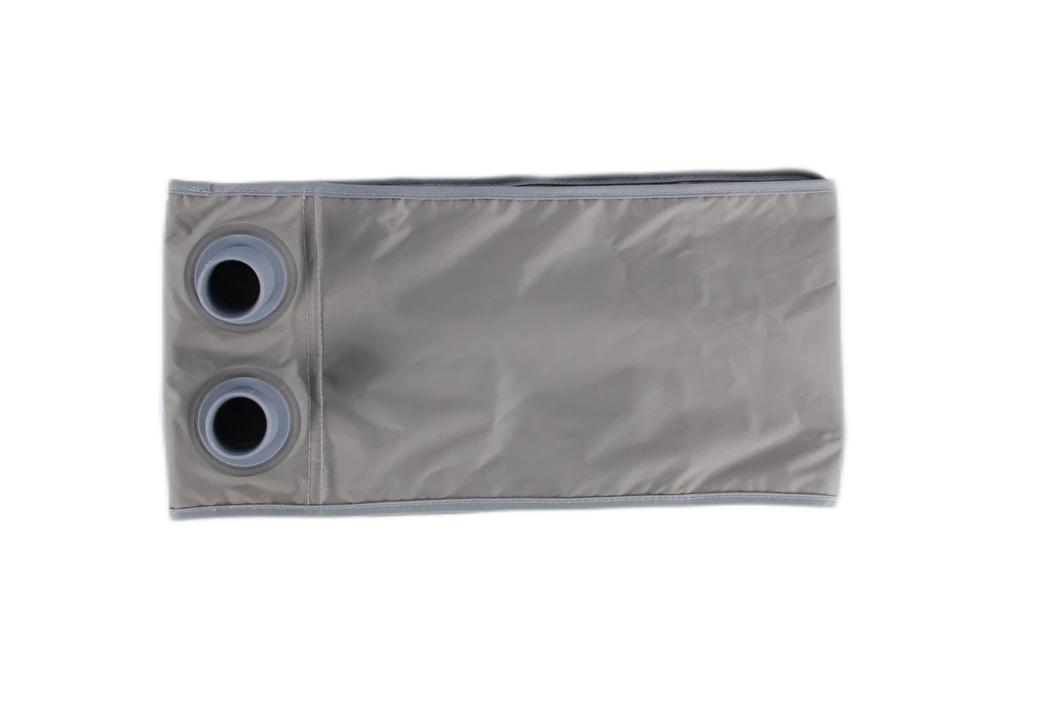
Lacing

Lacing: Half chest inflatable band for long-term bedridden patients.

How High Frequency Oscillation Works (HFCWO)

The pneumatic high-frequency oscillation expectoration system adopts HFCWO technology. Through pulse oscillation signals, the inflatable vest produces high-frequency oscillation repeatedly, promoting relaxation, liquefaction, and detachment of secretions in the deep respiratory tract. Secretions move from the bronchus to the airways and are expelled through coughing or suction.
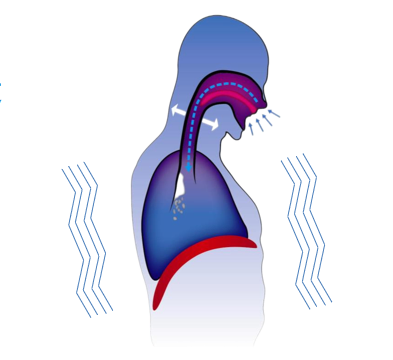
  • High frequency oscillation - loose sputum in deep lung, shedding
  • Air driven - autonomous upward airflow
  • Sputum movement - directional drainage
Mechanism

Indications & Applicable Departments

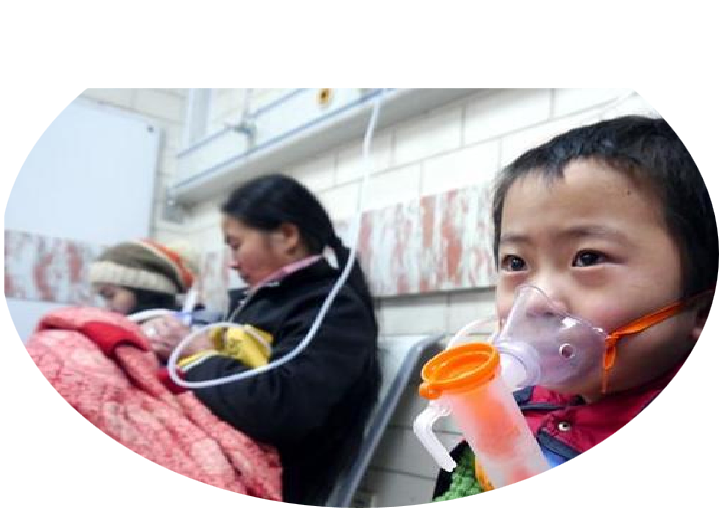
Indications: Excessive sputum in the airway, too viscous, weak sputum; Acute exacerbation of COPD, atelectasis, pulmonary infection; Bronchiectasis, cystic pulmonary fibrosis; Elderly, infirm and bedridden patients; Post-surgery recovery; Pediatric pneumonia.

Applicable Departments: Pneumology, Oncology, General Surgery, ICU, Gynecology, Neurosurgery, Pediatrics, Emergency, Orthopaedics, Geriatrics.

Clinical Application & Comparison

Comparison of Expectoration Amount (n=30, ±s)
Group Day 1 Day 2 Day 3
HFCWO Group 43.97±9.62 49.20±12.54 48.07±10.25
Vibration Group 34.70±10.56 36.93±11.02 36.63±11.62

Conclusion: High frequency oscillation expectoration system is superior to traditional vibration instruments. It significantly reduces the workload of nurses and is highly effective for clinical promotion.

Group Heart Rate Respiratory Rate Blood Oxygen Saturation
Experimental Group 136.02±17.33 38.07±3.55 95.67±3.47
Control Group 148.34±20.31 45.10±6.43 89.35±2.69

Comparison with Other Methods

Drugs

Expectorant drugs: Long-term use can cause physical damage; limited effect for weak patients.
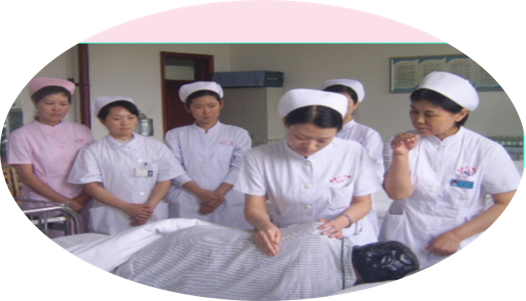
Hand Pat

Hand back pat: Position required, inconsistent strength, poor deep sputum effect.
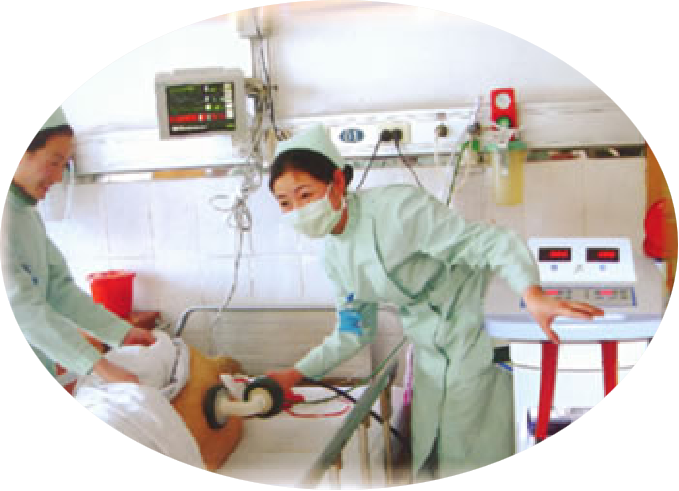
Vibrating

Vibrating dispenser: Heavy head, manual operation still required, potential for wrist injury.

Advantages of HFCWO: Efficient deep lung clearance, saves labor for medical staff, comfortable for the patient, and adaptable for all ages from newborns to elderly.
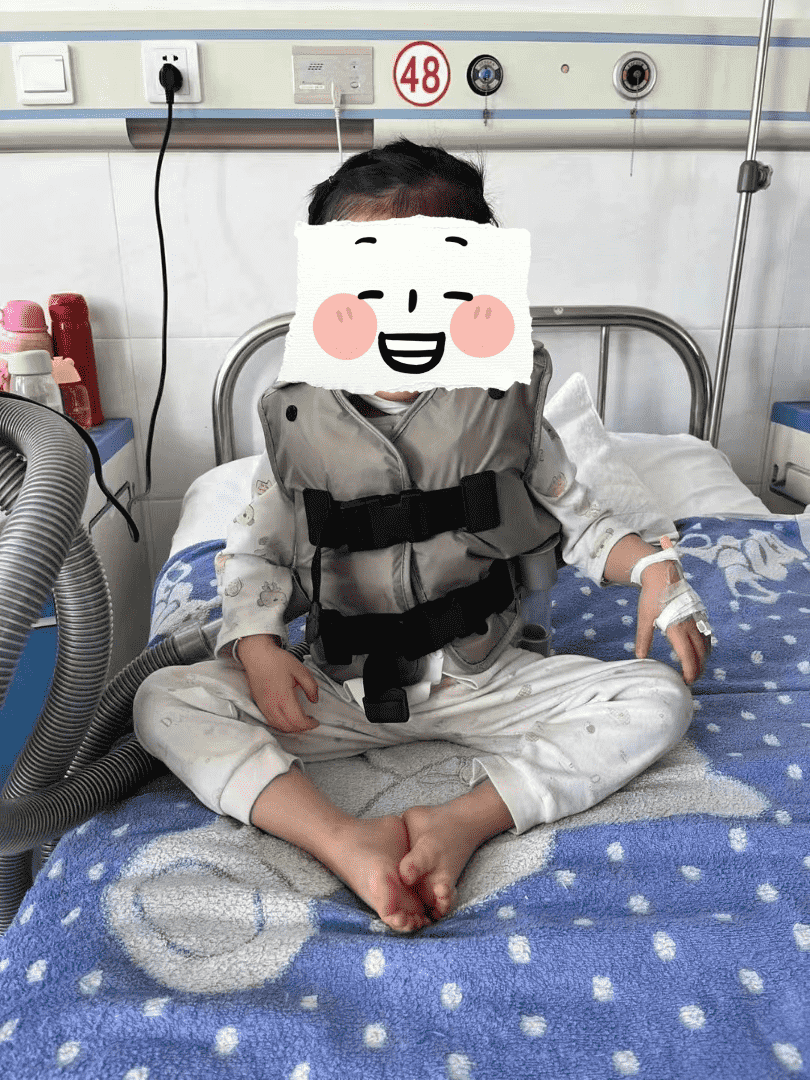
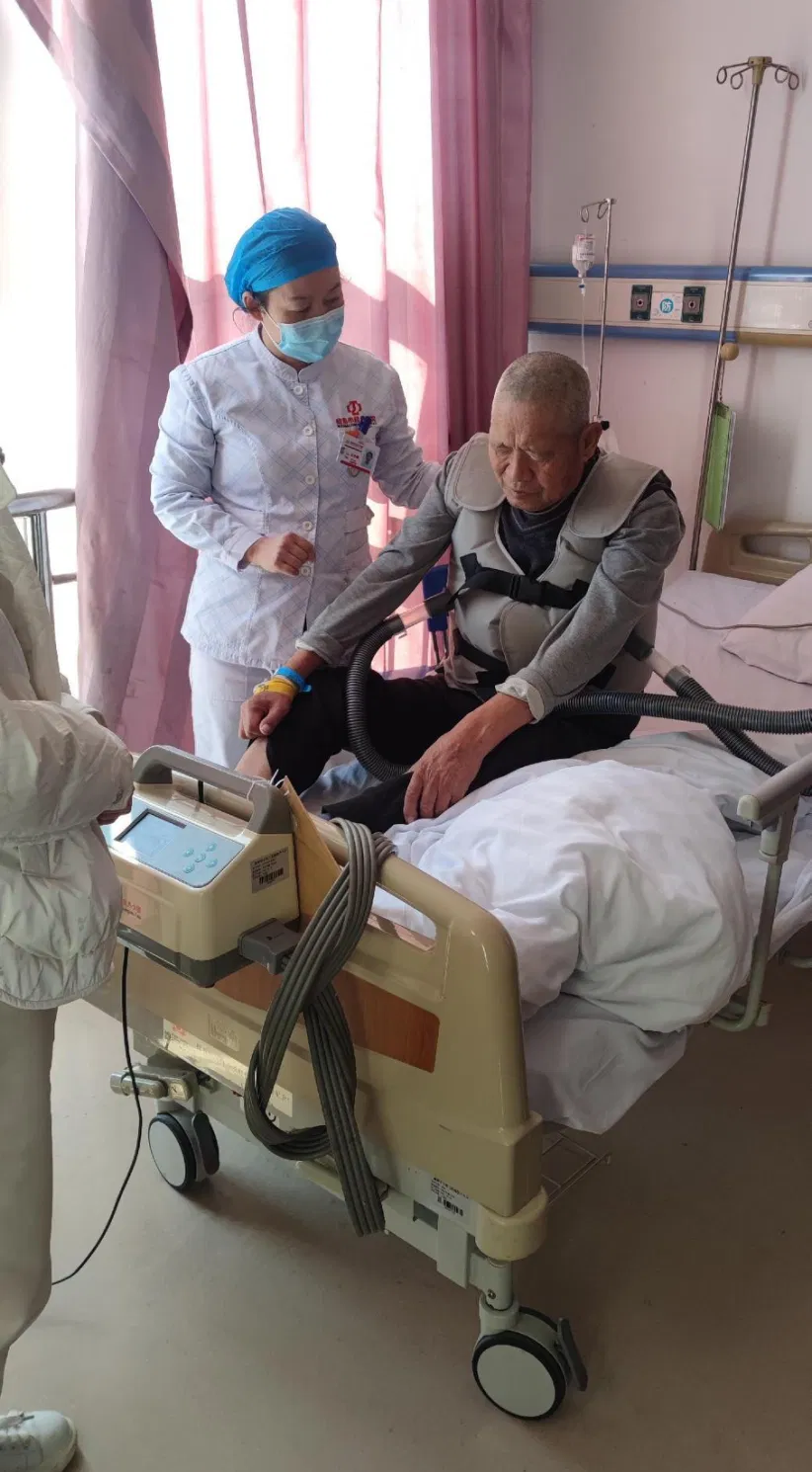
Use Case Presentation

Use Case 1
Use Case 2
Use Case 3

Matters Needing Attention

  • The patient should wear a cotton T-shirt; ensure the chest strap is 2-3cm below the armpit.
  • Stop every 5 to 10 minutes to cough or remove secretions.
  • Treatment is best half an hour before or 2 hours after a meal; sitting position is preferred.
  • Use mild detergent and diluted disinfectant to clean the vest.
  • For stubborn stains, use a soft brush; wet the vest before cleaning thick debris.
  • Special vests are recommended for patients with infectious diseases.

Frequently Asked Questions

What is HFCWO technology?
HFCWO stands for High Frequency Chest Wall Oscillation. It uses rapid air pulses to vibrate the chest wall, thinning and loosening mucus in the deep lungs to make it easier to cough out.
How does this system benefit nursing staff?
It automates the chest physiotherapy process, freeing nurses from the physical strain of manual back-clapping and allowing them to attend to other patient needs.
Is the vest adjustable for different body sizes?
Yes, the system comes with different vest models and sizes to accommodate various body types, from pediatric patients to adults and the elderly.
What are the primary clinical indications?
It is primarily used for patients with COPD, bronchiectasis, cystic fibrosis, pulmonary infections, and those who are bedridden or recovering from surgery with weak cough capability.
When is the best time to perform the treatment?
Treatment is most effective when performed half an hour before meals or two hours after meals to prevent discomfort or interference with digestion.
How should the inflatable vest be maintained?
The vest should be cleaned with household detergent and diluted disinfectants. For infectious cases, dedicated patient-specific vests are recommended.

Related Products