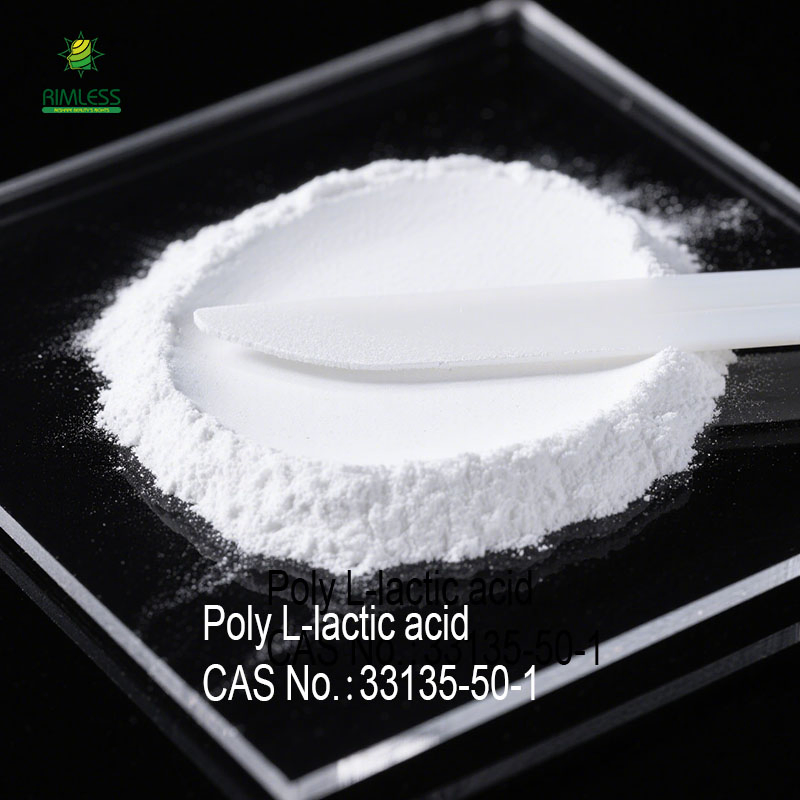
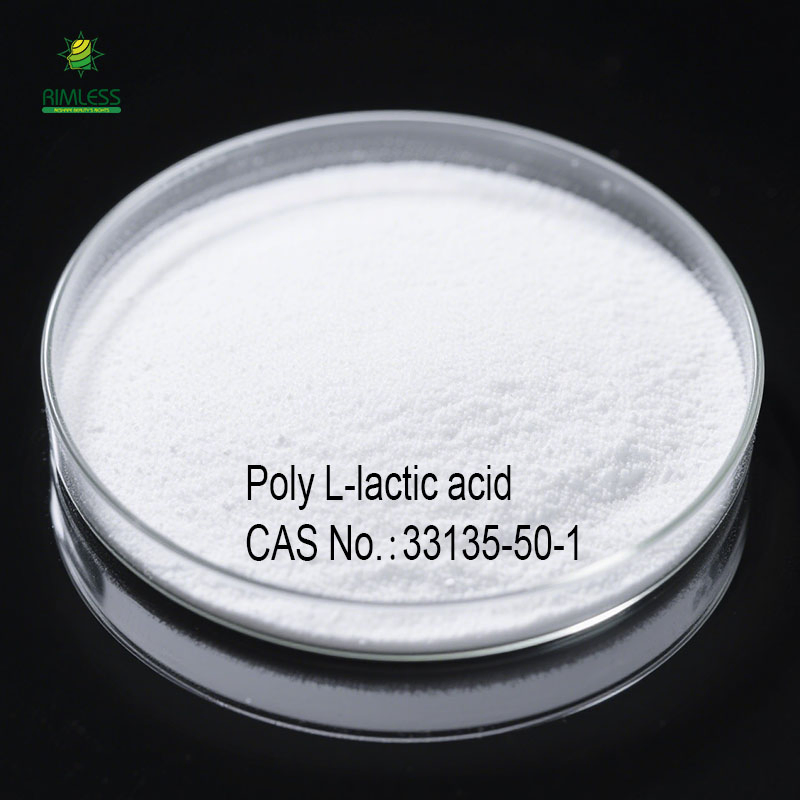
Poly (L-lactic acid) is a bioabsorbable degradable material with excellent bioabsorbability and biocompatibility. The degradation process of polylactic acid in vivo occurs in two stages: first, the lactic acid monomer is hydrolyzed; second, it is transformed into pyruvate via lactic acid dehydrogenase, eventually entering the mitochondria to be fully oxidized into carbon dioxide and water.

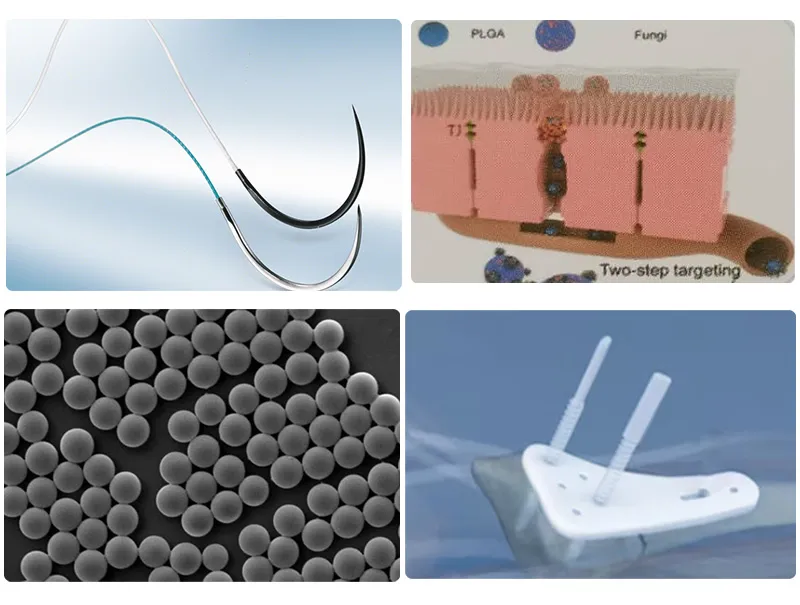
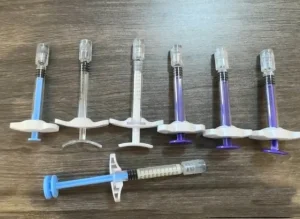
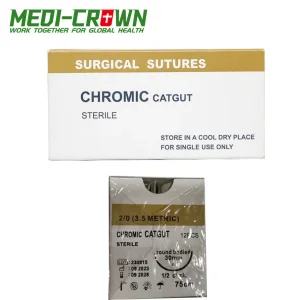
Products derived from polylactic acid are metabolized and eliminated from the body without harmful side effects, making them ideal for medical applications including disposable transfusion equipment, surgical sutures, tissue engineering scaffolds, bone fixation materials, injection microcapsules, and dermal fillers.
| Chemical & Physical Properties |
| Molecular Formula |
(C6H8O4)n |
| Chemical Name |
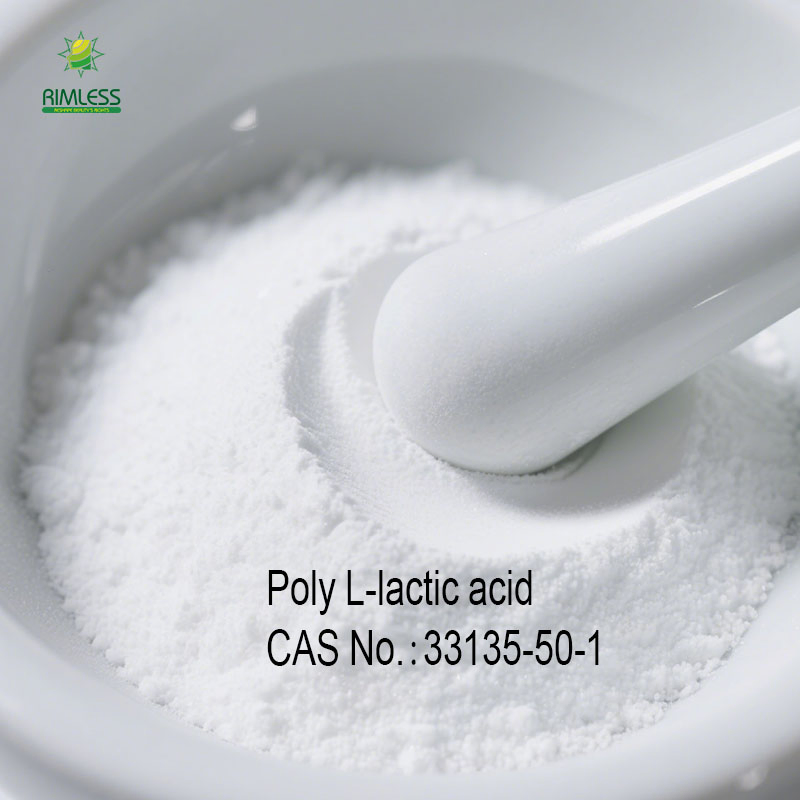
Poly(L-lactide), Poly(L-lactic acid), L-polylactide |
| CAS Registry Number |
33135-50-1 |
| Item |
Test Method |
Specification |
| Appearance |
Visual |
White, pale yellow powder |
| Inherent Viscosity |
Ubbelohde Viscometer |
0.30 - 3.50 dl/g |
| Residual Solvent |
Gas Chromatography |
≤ 0.5% |
| Heavy Metal / Sulfated Ash |
Chemical Reagent |
≤10 ppm / ≤0.1% |
Frequently Asked Questions
What is PLLA?
PLLA (Poly-L-lactic acid) is a biodegradable, thermoplastic, aliphatic polyester derived from renewable resources, widely used in medical implants and dermal fillers.
How does PLLA degrade in the human body?
It degrades through hydrolysis into lactic acid monomers, which are then metabolized into carbon dioxide and water and naturally excreted.
What are the primary medical applications?
It is commonly used for absorbable surgical sutures, tissue engineering scaffolds, orthopedic repair materials, and sustained-release drug delivery.
What is the shelf life and storage condition?
The shelf life is at least 2 years when stored in original packaging at low temperatures (2-8°C) and kept below 25°C generally.
Is the material certified for medical use?
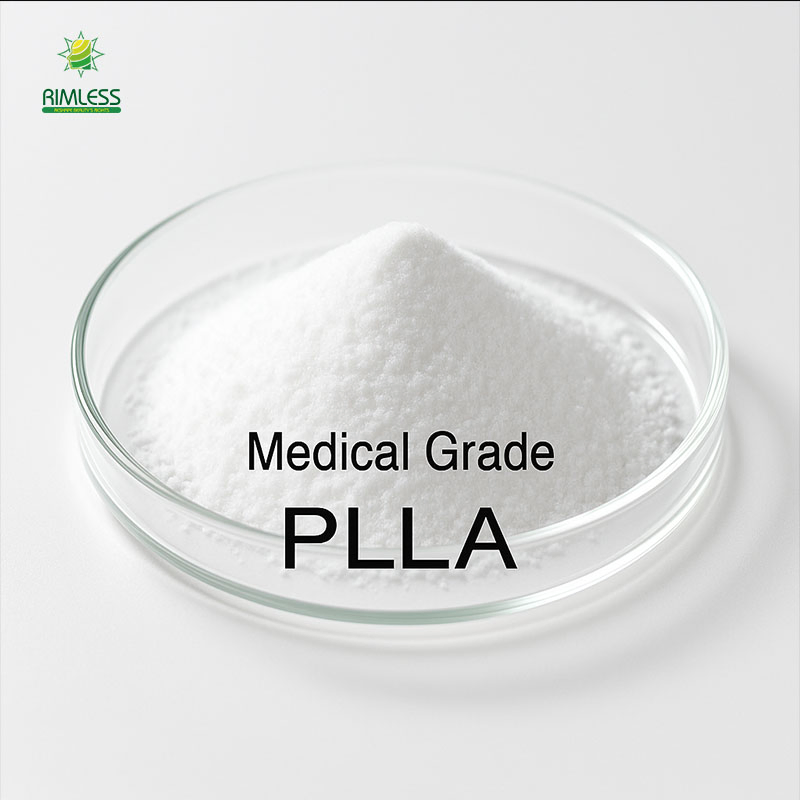
Yes, our PLLA is medical grade and manufactured under ISO9001 and ISO13485 certifications.
Can you provide specific viscosity ranges?
We offer multiple models (PL-05 to PL-25) with inherent viscosity ranging from 0.30 to 3.50 dl/g to suit different application needs.
 SJ Medical