SJ Medical
SJ Medical
SJ Medical
Cerebral angiography remains the definitive diagnostic gold standard for evaluating neurovascular disorders, including intracranial aneurysms, arteriovenous malformations (AVMs), and acute ischemic stroke. With the global paradigm shifting rapidly from open surgery to minimally invasive endovascular interventions, the demand for highly precise, sterile, and biocompatible catheterization systems has reached unprecedented heights.
This whitepaper provides a rigorous analysis of the Top 10 Cerebral Angiography Manufacturers & Factories, analyzing their technical capabilities, supply chain models, and cleanroom technologies. Whether evaluating tier-one international brands or high-value Chinese medical manufacturing giants like Hangzhou SJ Medical Co., Ltd., procurement officers and clinical engineering directors will find the structural framework needed to make informed sourcing decisions.
Established in 2015, Hangzhou SJ Medical Co., Ltd. has dedicated its resources to the research, development, manufacturing, and commercialization of vascular interventional medical devices. The company focuses strategically on both cardiovascular and peripheral intervention fields, striving to provide safe, reliable, and innovative solutions for healthcare providers worldwide.
Over the years, SJ Medical has developed a comprehensive product portfolio covering key areas of vascular intervention. Its offerings span from various types of balloon catheters for coronary and peripheral applications to supporting access and diagnostic devices, as well as advanced stent systems. Through continuous innovation and strong R&D capabilities, the company has obtained multiple patents and international certifications, laying a solid foundation for sustainable growth in both domestic and global markets.
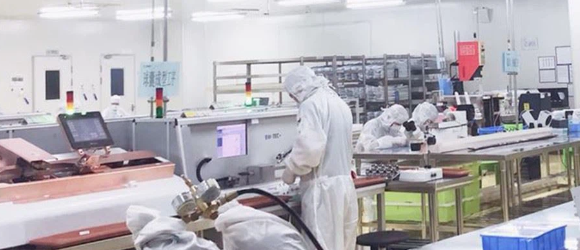
SJ Medical operates a modern manufacturing facility with a total area of approximately 5,000 square meters. The factory is built in strict accordance with Good Manufacturing Practice (GMP) standards. It features a high-standard cleanroom environment, including a million-class clean workshop (Class 100,000) with localized hundred-class areas (Class 100) for critical processes, ensuring that no particulate contamination interferes with the extrusion or assembly of delicate neurovascular components.
Under the leadership of senior engineers and a highly experienced technical team—many of whom have been engaged in the medical device industry for decades—SJ Medical maintains rigorous quality control. The company continuously refines its manufacturing processes to ensure absolute product reliability and consistency in high-stakes surgical scenarios.
When analyzing the premier manufacturers of cerebral angiography devices globally, players are categorized by their technological focus, supply chain depth, and OEM capabilities. Below is an overview of the strategic positioning that defines these market leaders:
| Manufacturer Classification | Key Strengths & Technologies | Regulatory Frameworks | Target Sourcing Demands |
|---|---|---|---|
| Tier 1 Multinational Conglomerates | Hydrophilic coating patents, established clinical distribution channels, robotic guidance compatibility. | FDA, CE MDR, NMPA, PMDA | Premium hospital systems, large-scale clinical trials, institutional standard standardization. |
| Advanced OEM/ODM Specialists (e.g., SJ Medical) | High precision laser cutting, cost-controlled Class 10,000 cleanrooms, flexible contract manufacturing. | CE, ISO 13485, CFDA | Global distributors, customized vascular sheath sizes, agile supply chain partnerships. |
| Regional Niche Innovators | Custom neuro-microcatheters, localized shape-memory alloys (Nitinol), local regulatory speed. | Country-specific (e.g., ANVISA, MHRA) | Specialized research institutions, localized clinical studies. |
The key differentiator for top-tier factories lies in their ability to handle challenging micro-extrusion processes. In cerebral angiography, catheters must feature ultra-thin walls to maximize internal lumen diameter while maintaining structural integrity to prevent kinking within tortuous cerebral vessels.
The field of cerebral angiography and neurointervention is moving beyond simple diagnostics toward integrated diagnostic-therapeutic systems. Key trends reshaping factory production lines include:
Next-generation diagnostic catheters utilize specialized photo-crosslinked hydrophilic coatings. These reduce friction coefficients by up to 90%, allowing seamless tracking through the ophthalmic and internal carotid arteries without causing vasospasm.
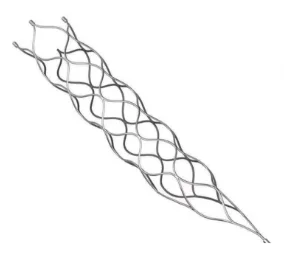
Micro-machining and ultra-short pulse laser systems enable the production of highly flexible, shape-memory thrombectomy stents and distal access filters directly integrated within the catheter tip.
As robotic catheter systems gain clinical adoption, factories are redesigning catheter hubs and distal tips to ensure optimal mechanical feedback and precise torque transmission under automated control.
Sourcing from advanced Chinese manufacturing plants offers massive benefits in terms of supply chain reliability and cost-efficiency. Over the last decade, factories like those run by SJ Medical have evolved from simple assembly lines into highly automated Industry 4.0 hubs.
Through vertical integration, factories manage raw material compounding (such as medical-grade Pebax and Polyurethane), precision wire braiding (incorporating variable pitch patterns for optimal stiffness profiles), and advanced laser welding in-house. This complete process ownership reduces external dependencies, minimizing the risk of raw material delays and ensuring consistent quality controls across production batches.
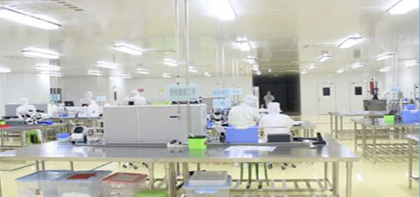
By automating inspection tasks via machine vision systems, the defect rate during micro-machining has dropped below 50 PPM (Parts Per Million). This combination of automated control and low labor overhead allows Chinese factories to deliver products that meet strict CE and ISO quality standards at highly competitive prices.
For international buyers and medical device distributors, sourcing cerebral angiography products requires a comprehensive evaluation checklist. The framework below outlines critical verification steps:
A1: Diagnostic procedures generally utilize 4F to 6F catheters to maintain a small puncture site. Therapeutic interventions, such as mechanical thrombectomy or aneurysm coiling, often require larger distal access sheaths ranging from 6F to 8F, or even up to 10F, to provide adequate support for microcatheters and implants.
A2: Hydrophilic coatings bond with water molecules to form a low-friction hydrogel layer. This surface treatment is essential when navigating the tortuous anatomy of the carotid and cerebral arteries, minimizing blood vessel trauma and reducing the risk of vasospasm or device-induced thrombosis.
A3: ISO 13485 and GMP standards ensure that every production run follows validated processes. This includes maintaining tight controls over cleanroom air quality, tracking raw material batches, and performing mechanical stress testing. These measures guarantee that the medical devices meet performance specifications and are safe for clinical use.
A4: Most ethylene oxide (EO) sterilized catheter kits have a validated shelf life of 2 to 3 years, depending on the barrier properties of the packaging materials. Factories verify package integrity through real-time and accelerated aging studies to guarantee sterility over time.